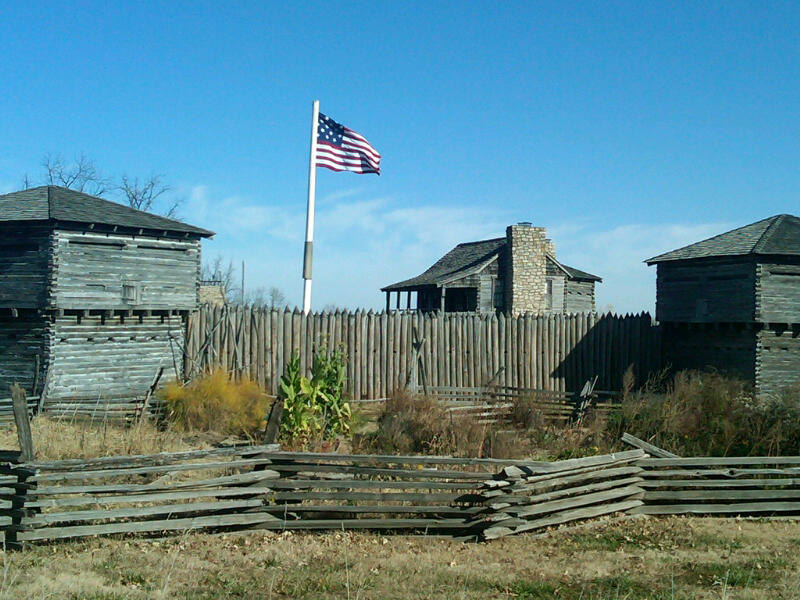
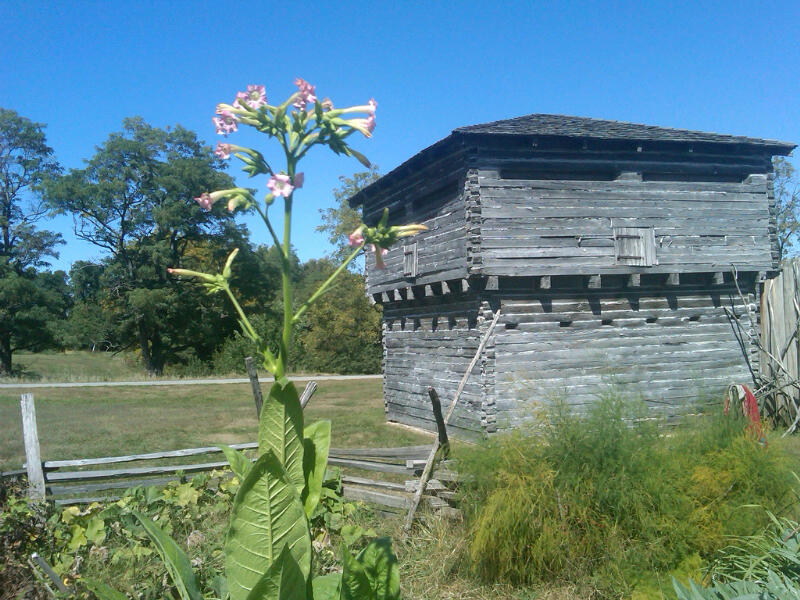
The 1812 Garden at Historic Fort Osage
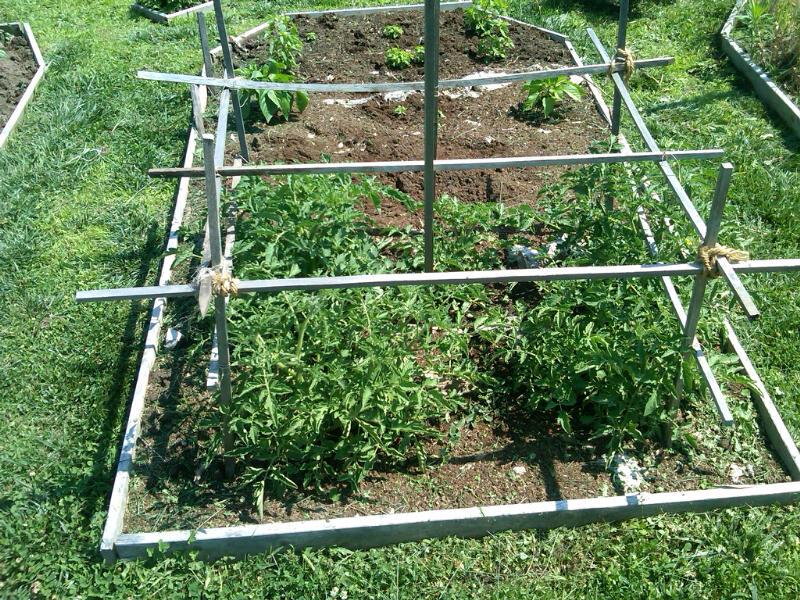
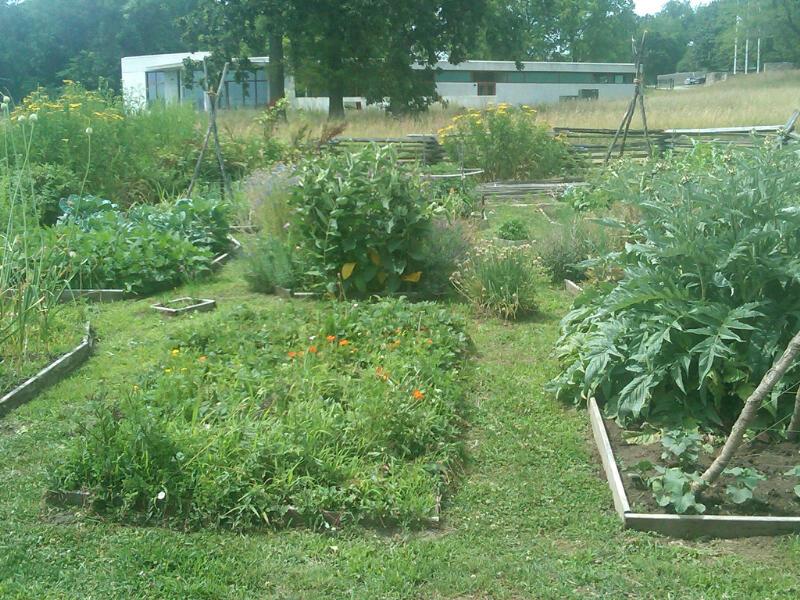
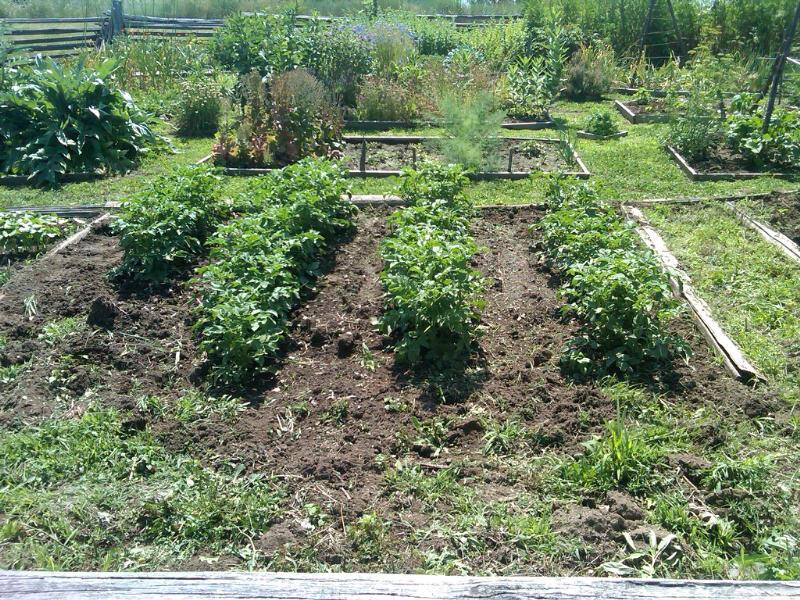
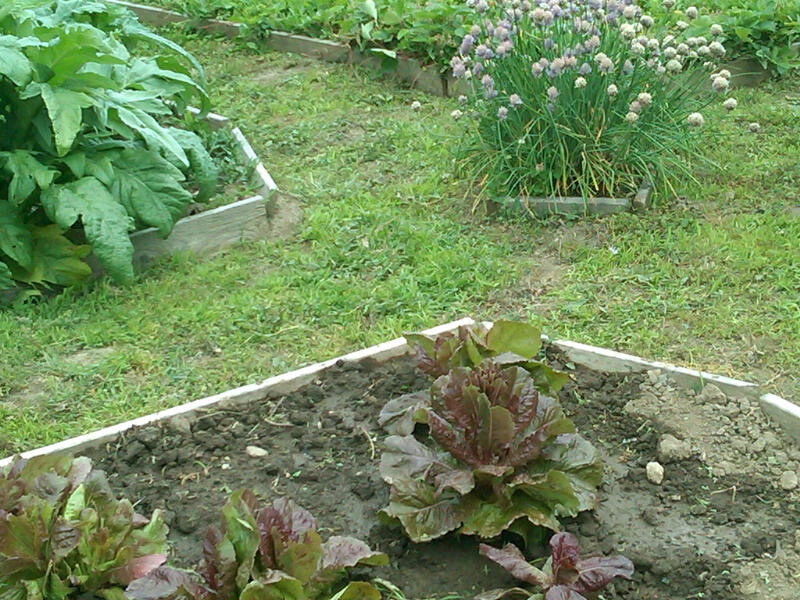
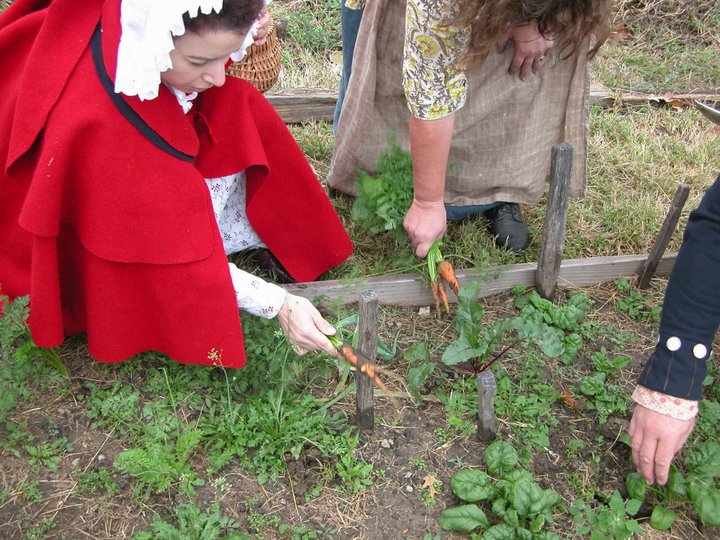
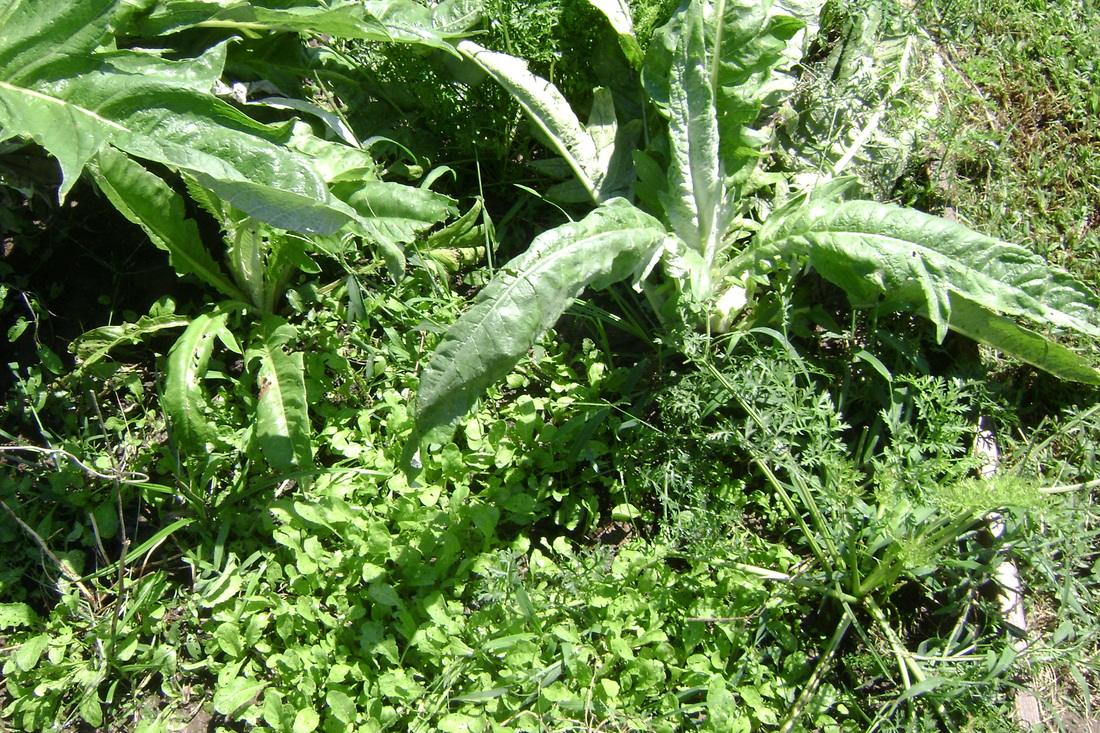
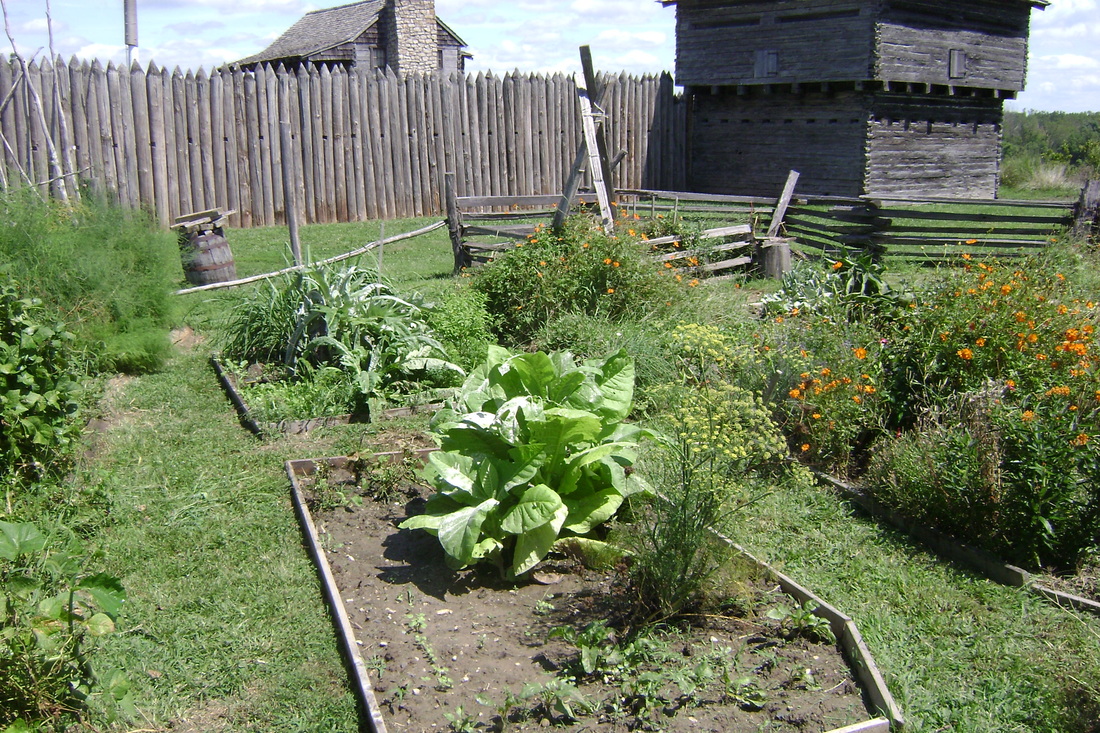
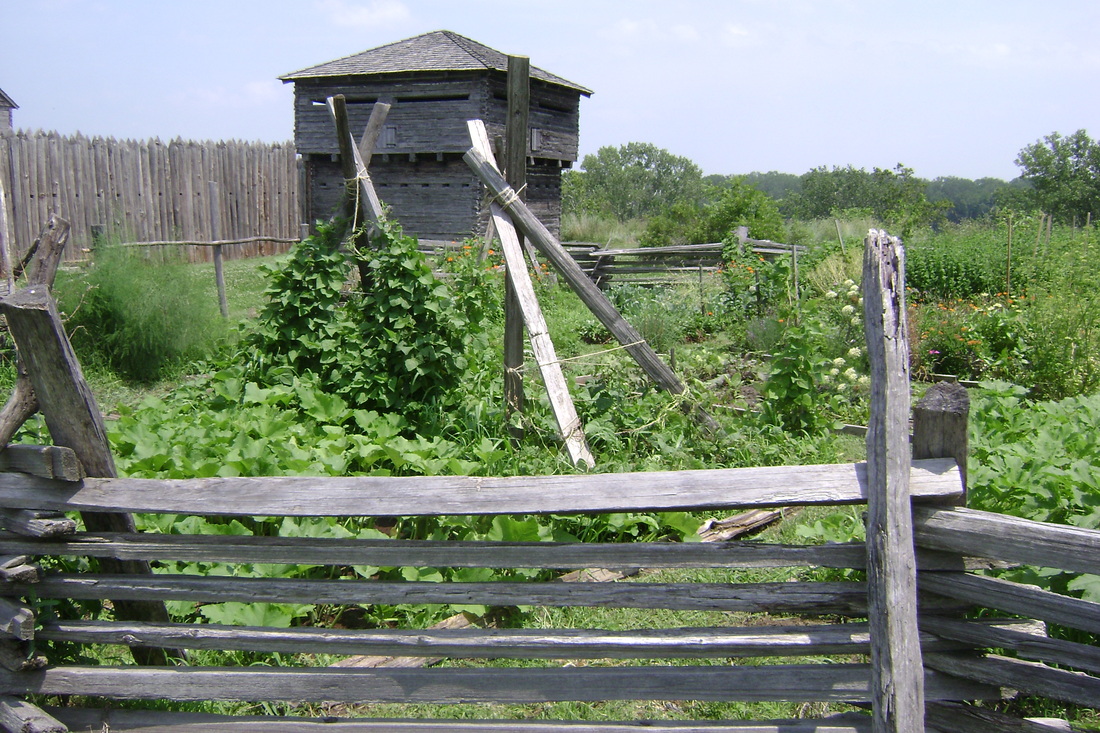
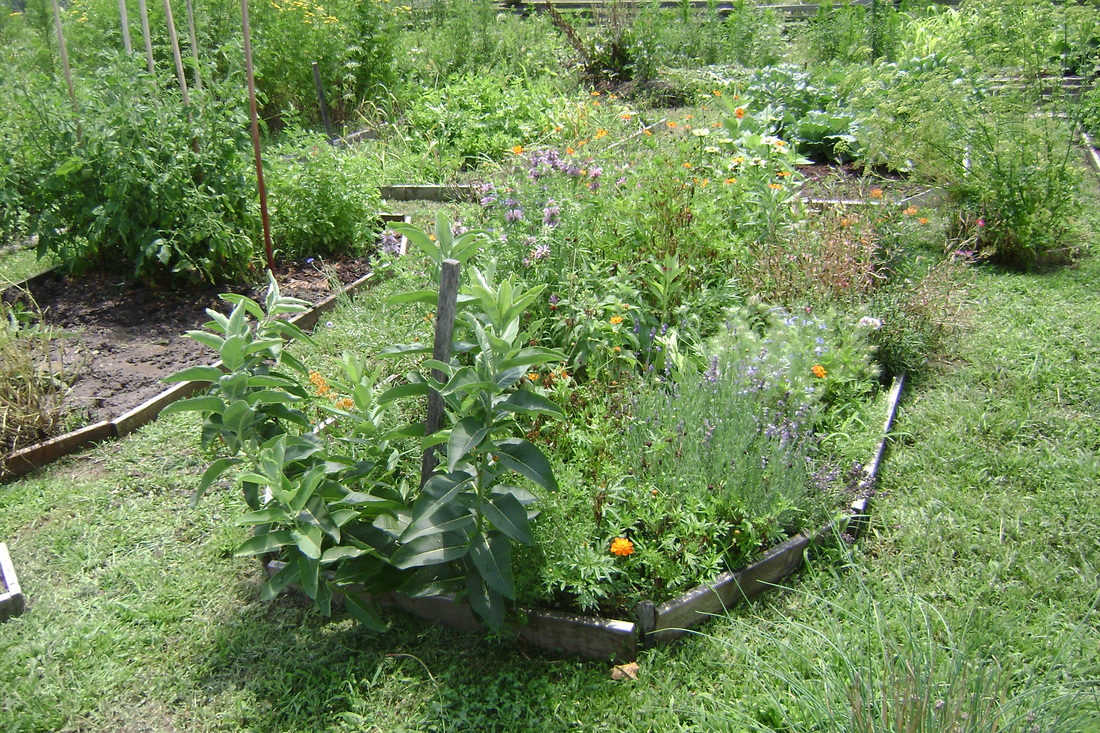
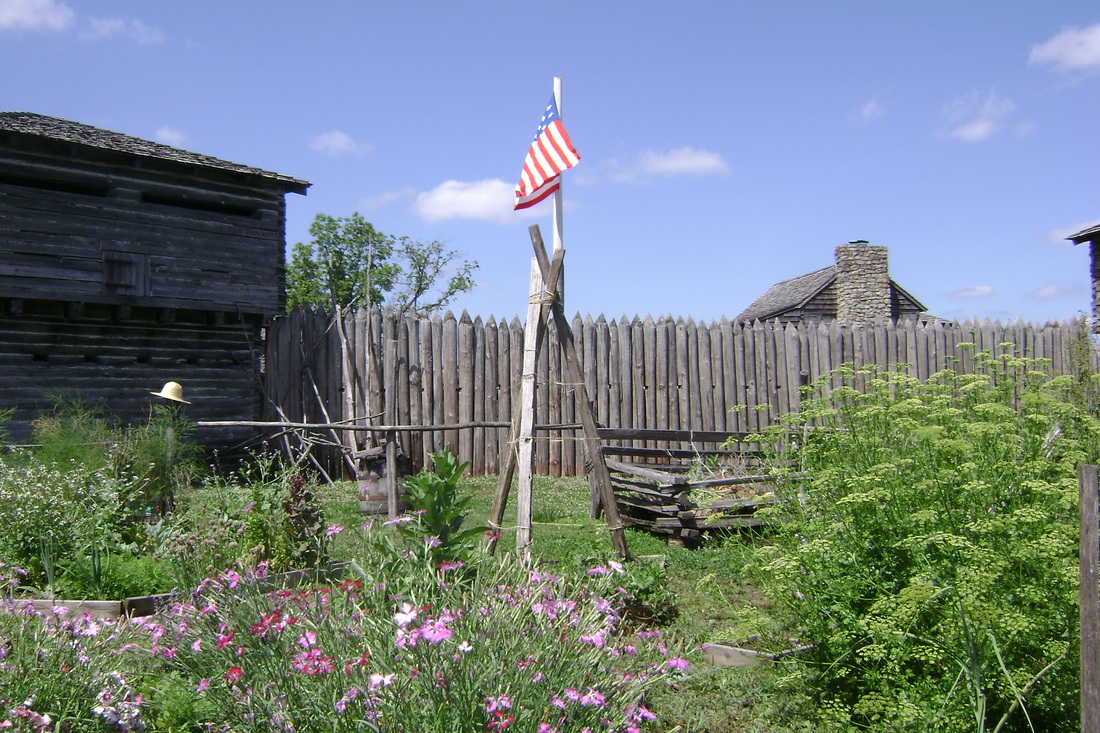
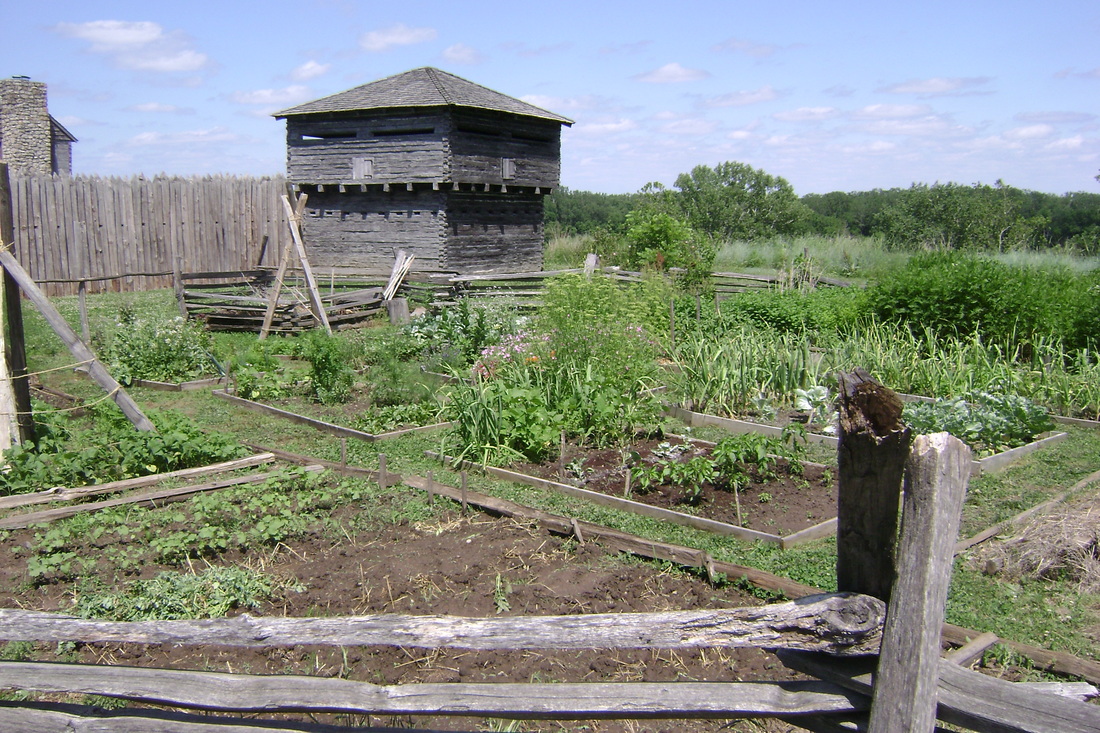
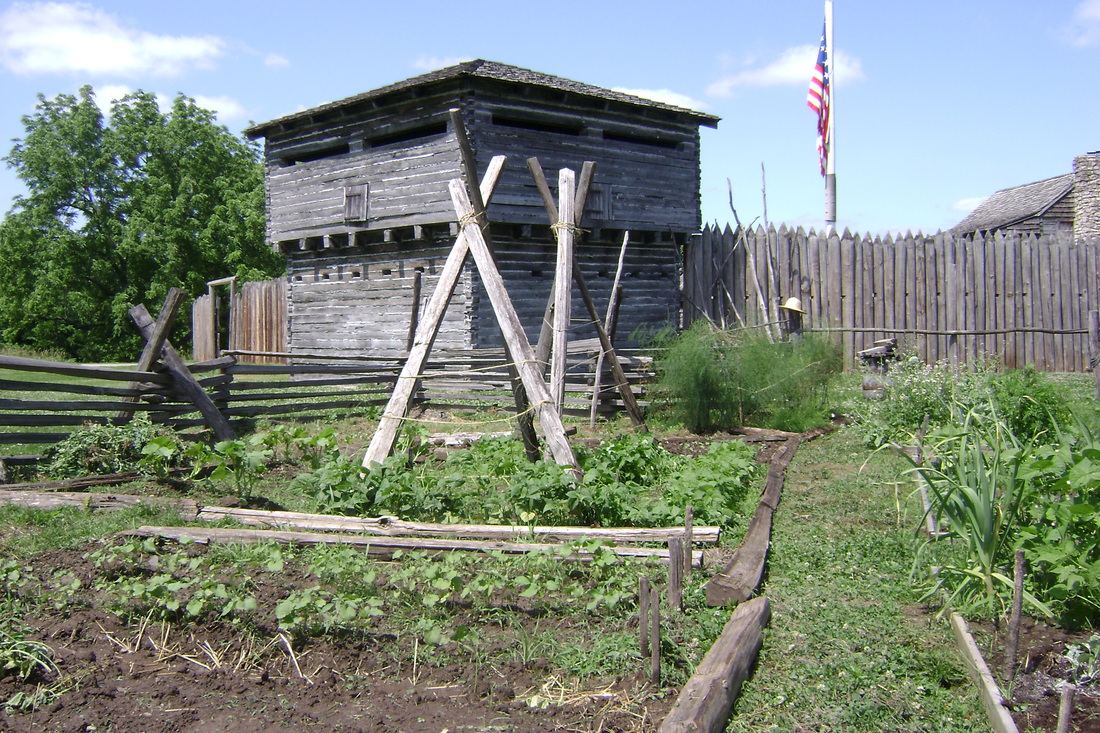
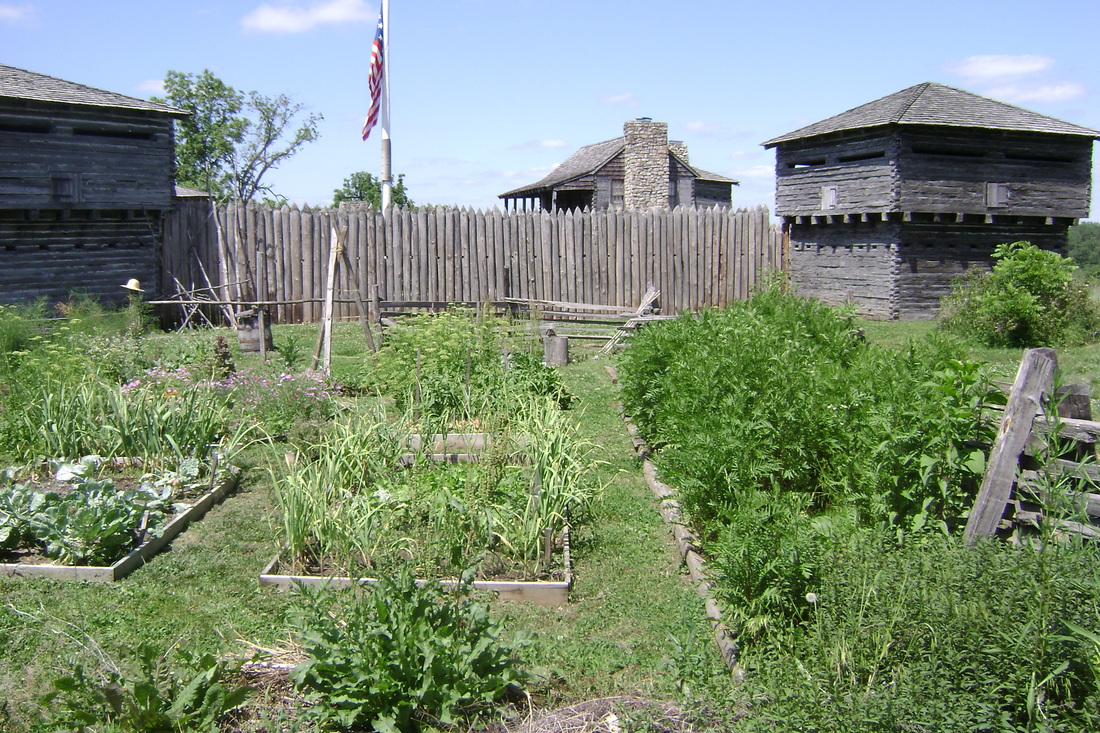
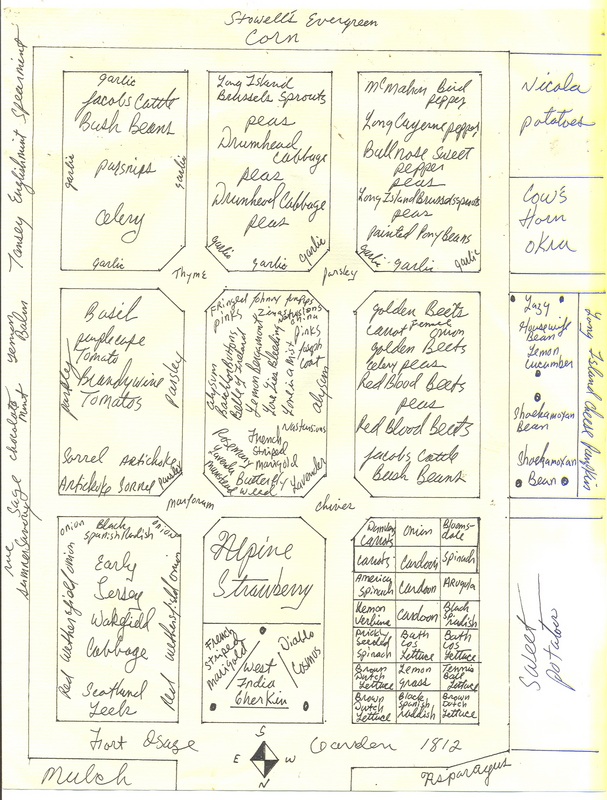
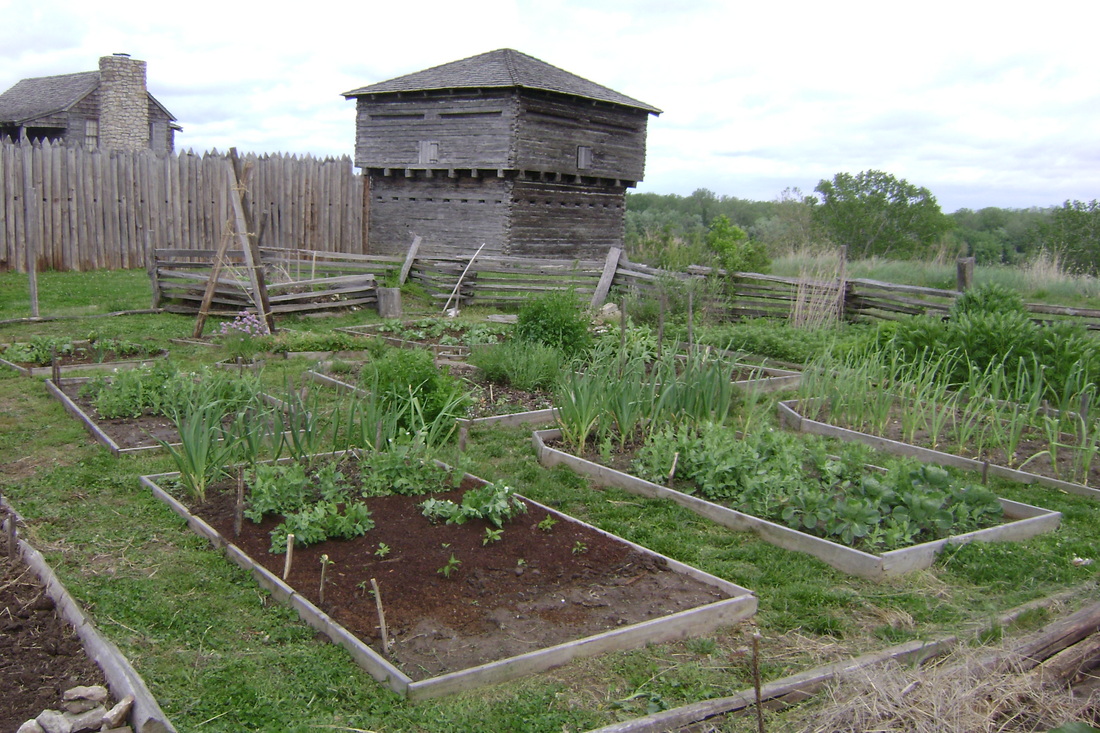
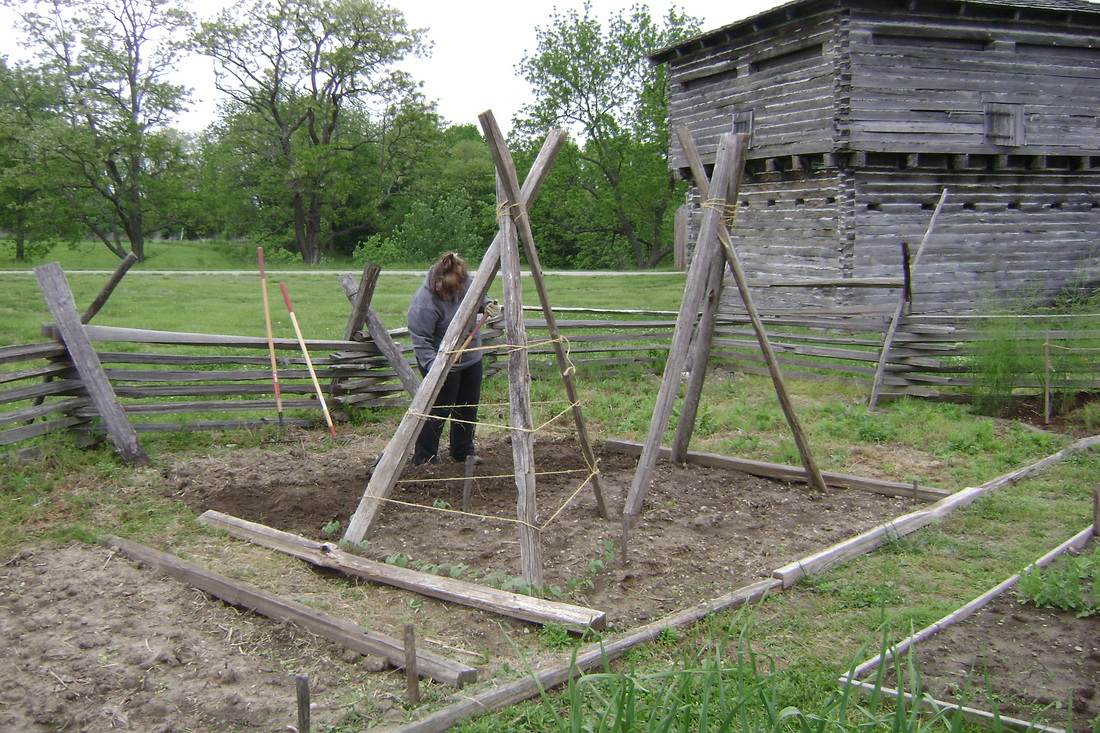
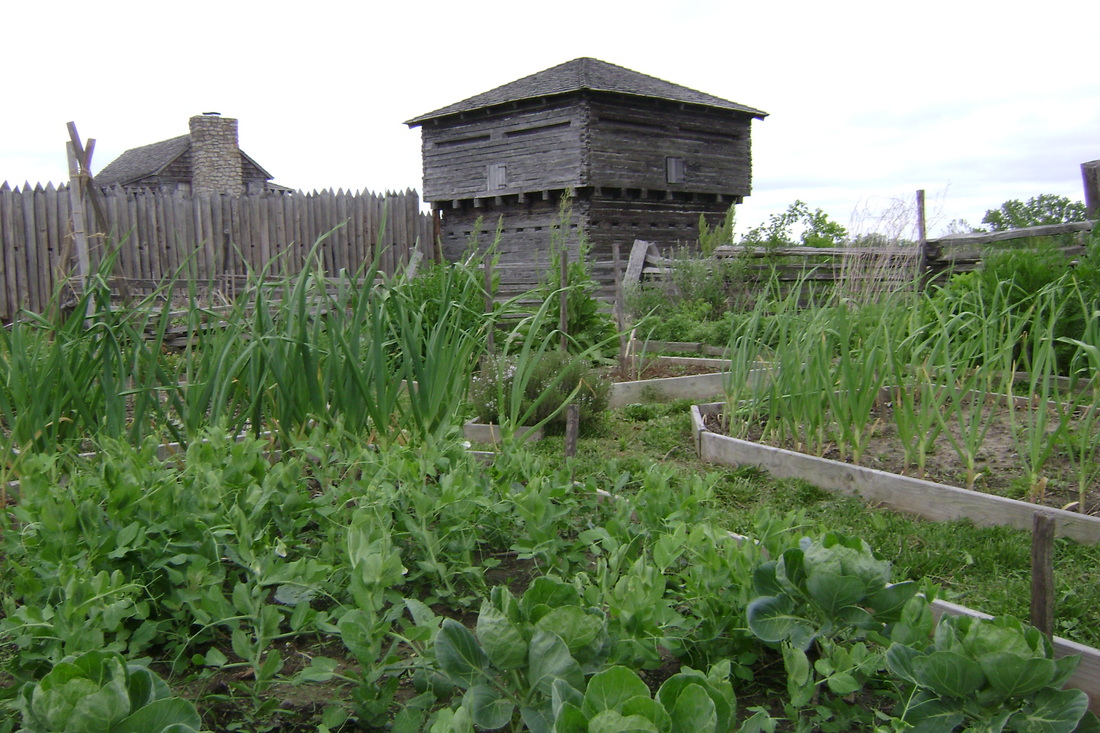
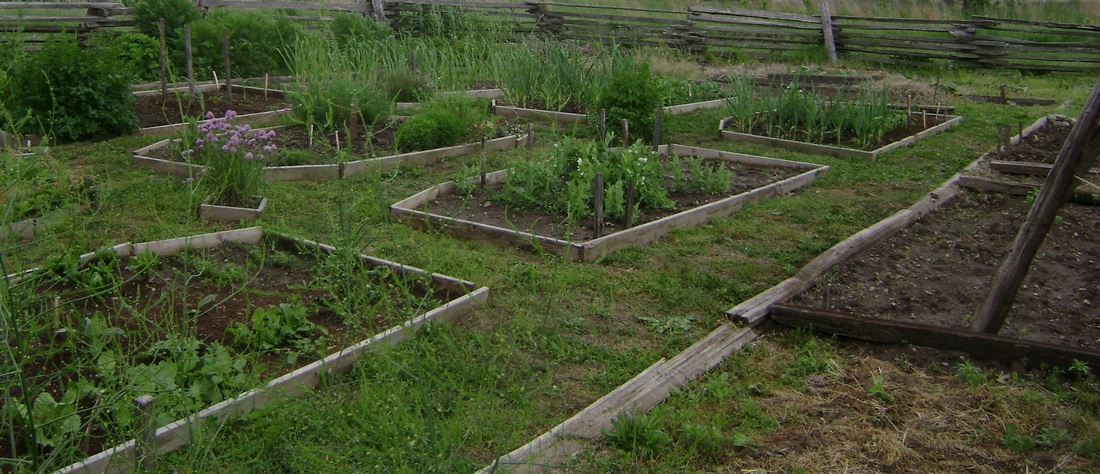
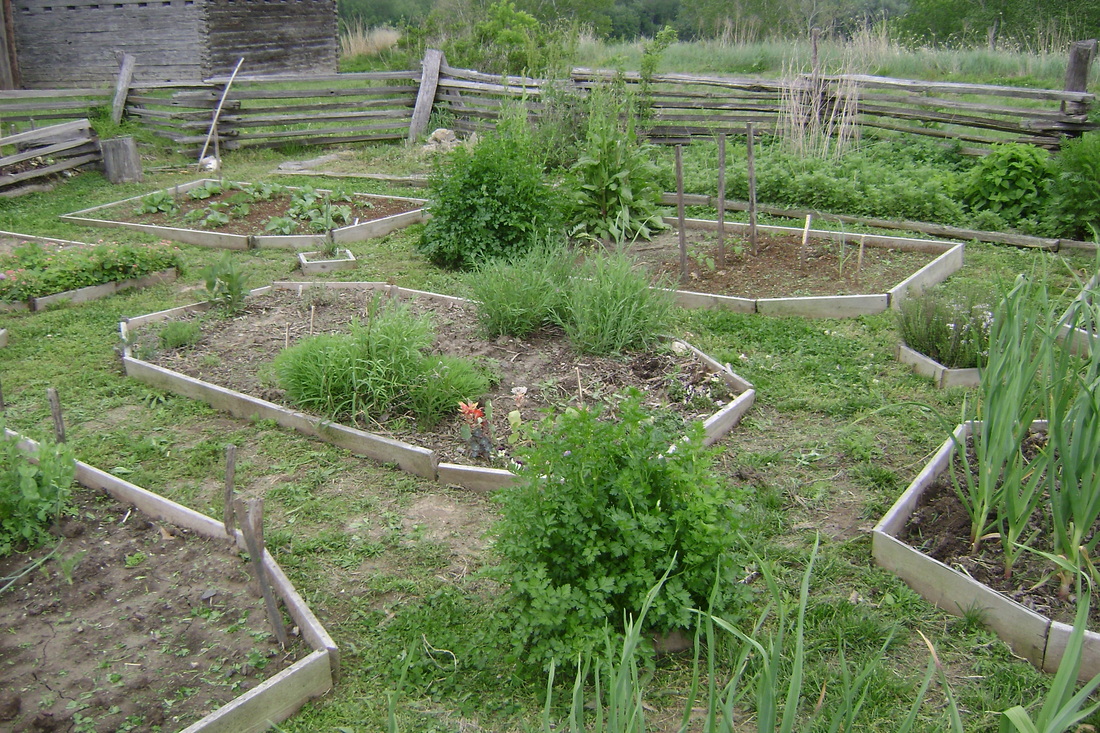
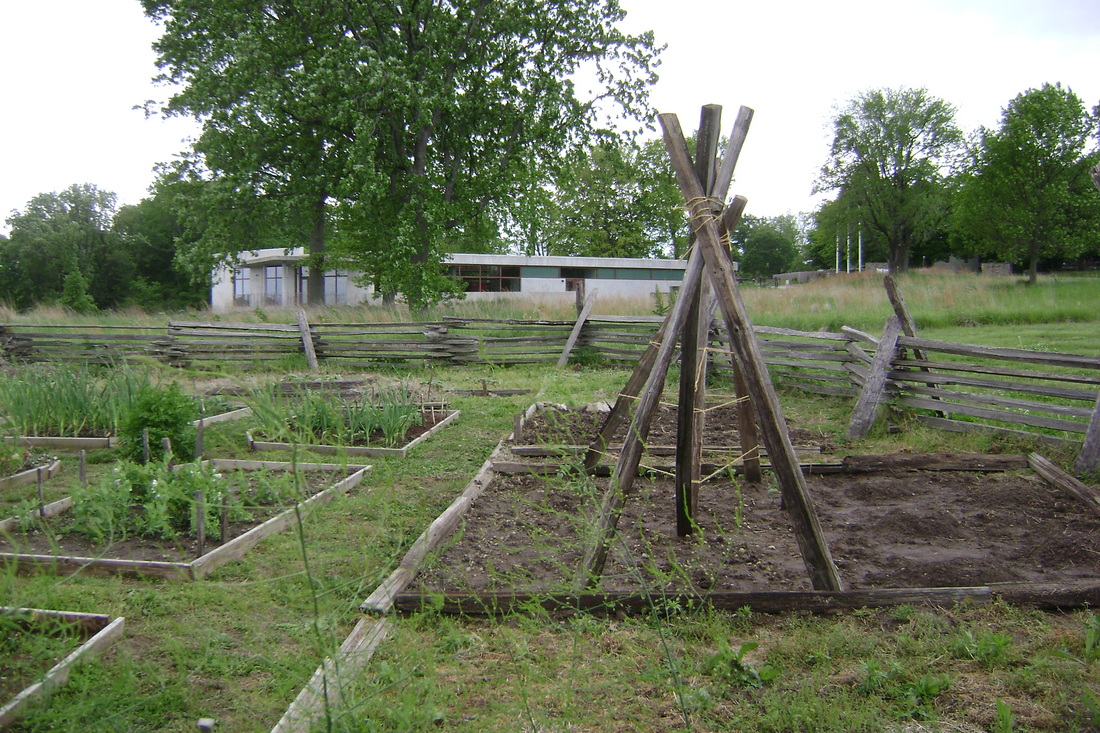
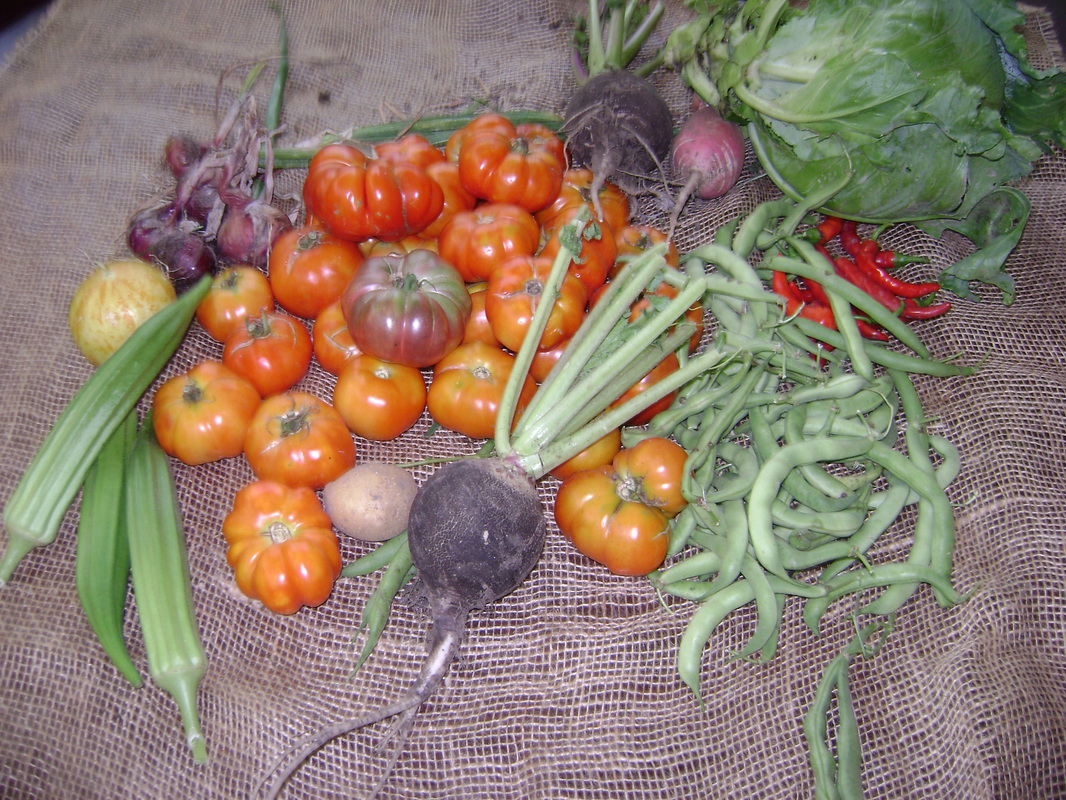
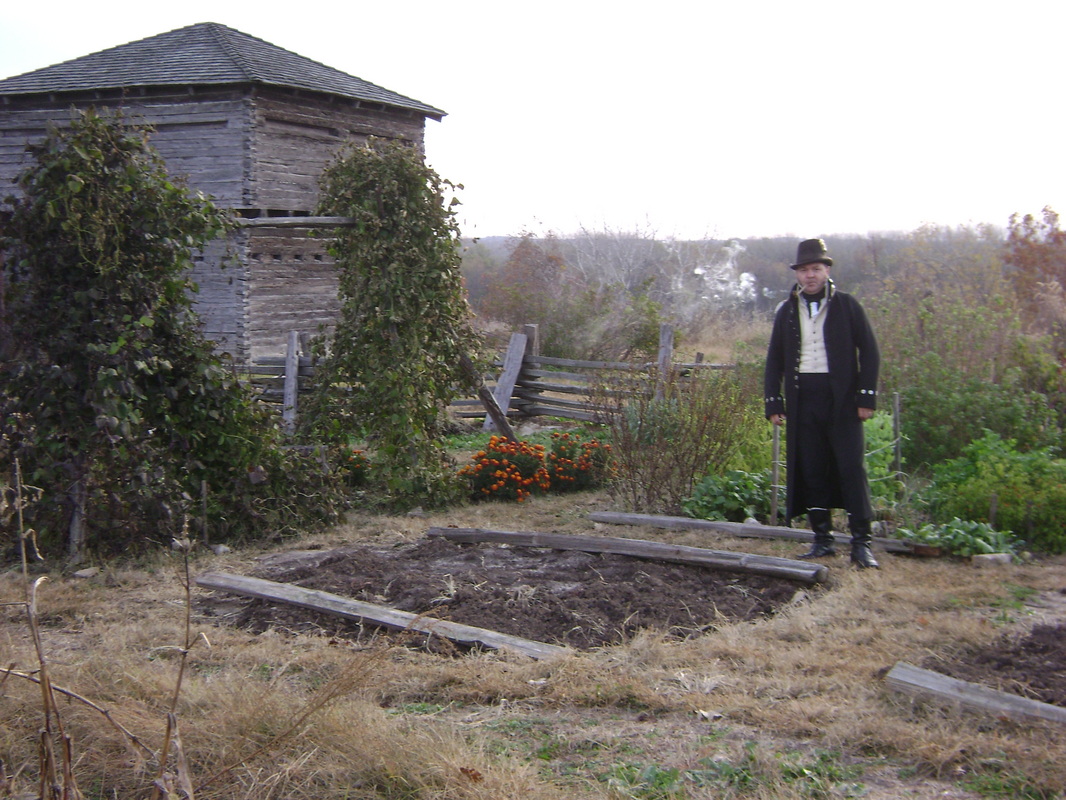
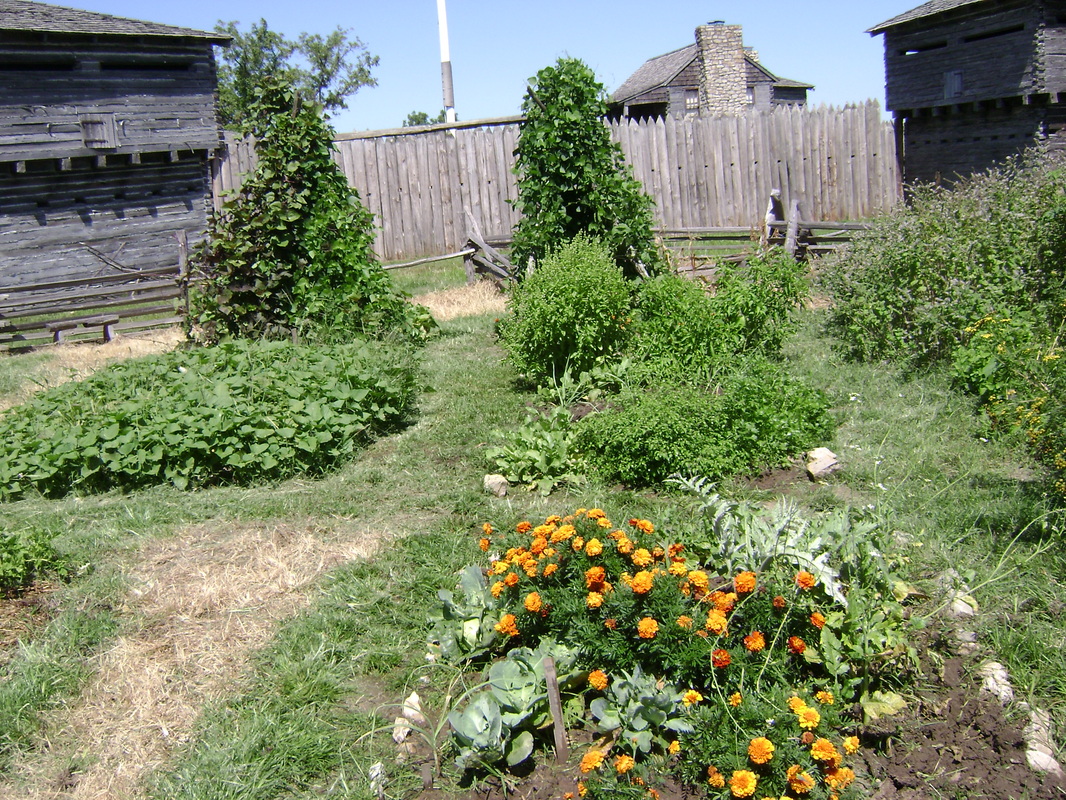
The historic garden at Fort Osage, Sibley Missouri, began in its current form in 2009 and ended in 2016. Sally and Dave Bennett, began the garden with only Spear mint and Chocolate mint, left over from an old garden, taken down during the construction of the Fort Osage Education center / Visitors center. Originally, there were "Officers" and "Soldier's" gardens, and field crops of corn for the "Public stock." 2009 was occupied with building the soil up, and adding more perennial herbs, including: sage, tansy, lemon balm, English mint. In 2010, the garden received a face lift, with 9 raised beds, laid out in a geometric style, based on the gardens at Fort Dearborn, Chicago and Fort Wayne, Indiana. Seeds saved from 2009, started about 40% of the 2010 crops. Saved seeds from 2010 include: Basil, Cow's horn's Okra, Dutch Brown Lettuce, Bath Cos Lettuce, Winter China radish, Black Spanish radish, French Striped Marigold, Diablo Cosmos, Fennel, Cayenne Pepper, Bird Pepper. Research conducted in 2008-2009 settled upon an "Officers garden" for interpretation at the fort. Seed sources include Baker Creek Heirloom Seeds, Mansfield, Missouri; Southern Exposure Seed Exchange, Mineral, Virginia; Thomas Jefferson Center for Historic Plants, Monticello, Virginia; Seed Savers Exchange, Decorah, Iowa; Seeds of Change, Heirloom; Comstock Ferry Heirloom. See a picture slideshow of the garden below.
Join us, as the garden embarks on a 200 year journey, to restore it to its 1812 glory.
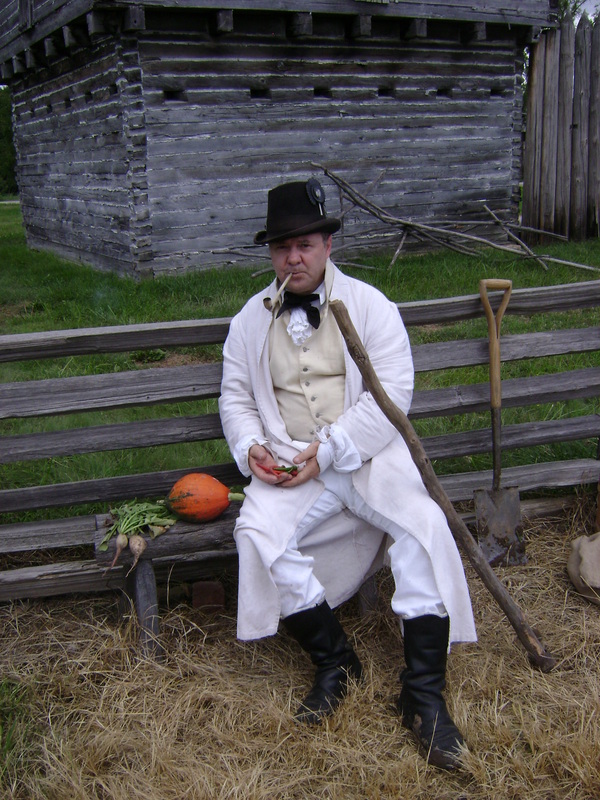
Please note, the last year of the garden by Dave and Sally Bennett of the 1st US Infantry was 2016.
Page updated 27 September 2017
1812 Garden:
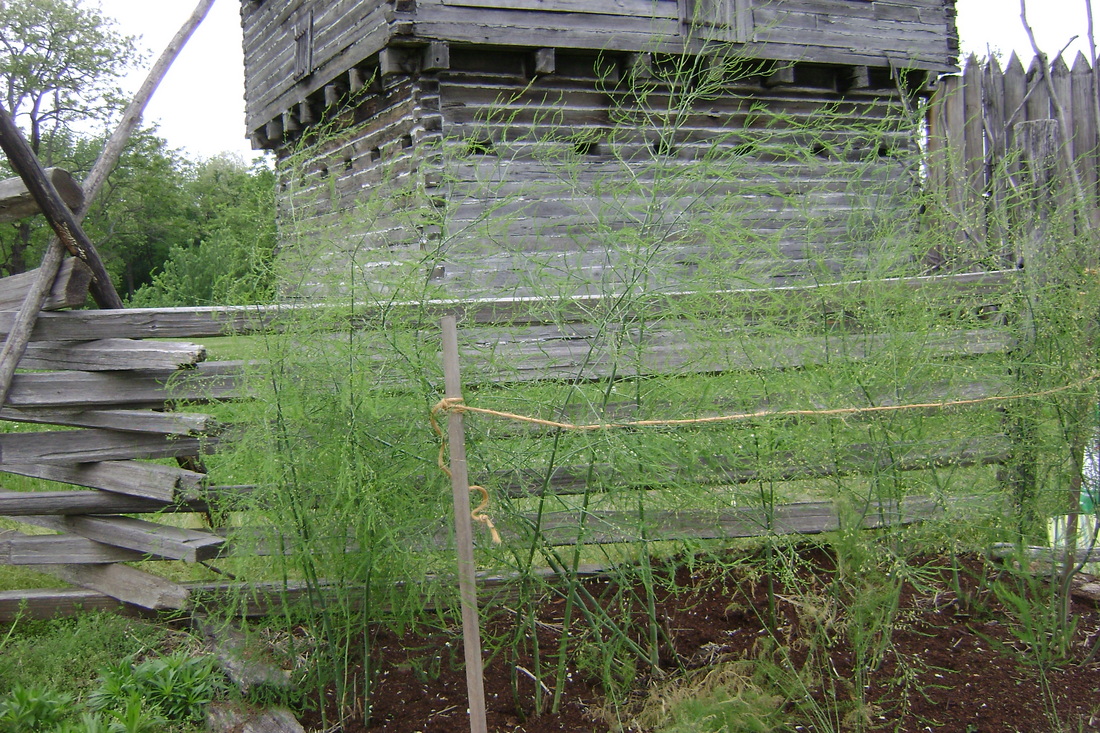
Asparagus: Jersey Supreme. Two year old roots planted in May 2010. First harvest 2011.
Bean:
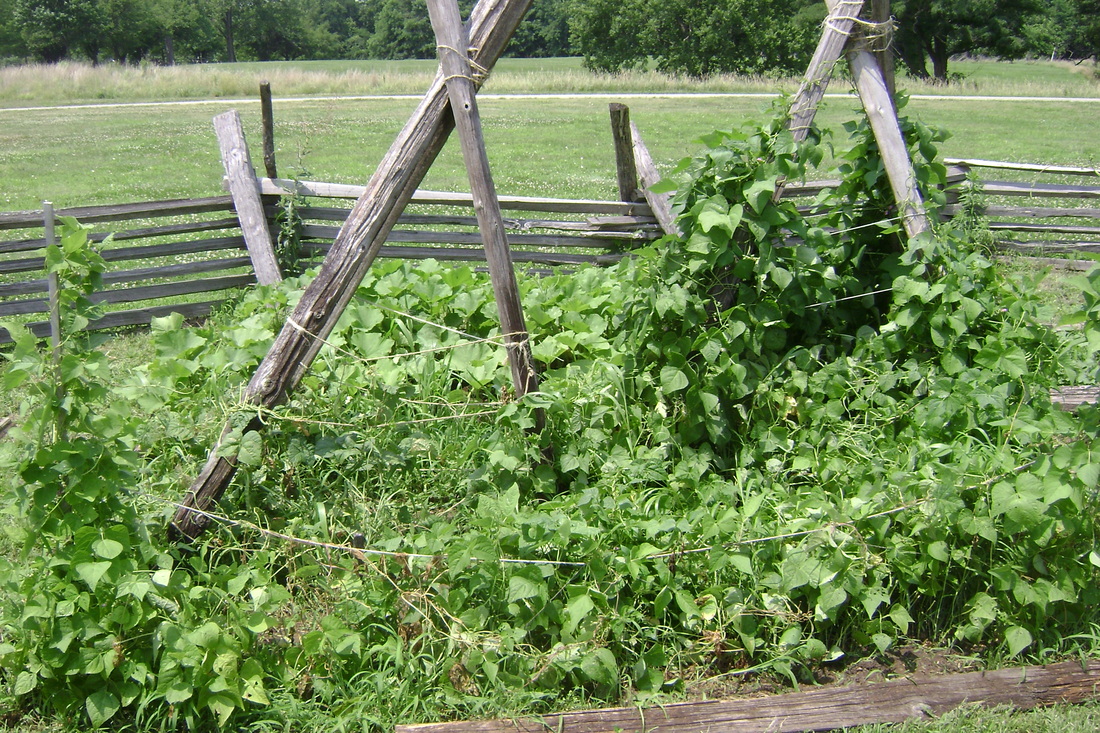
Hyacinth pole bean
Jacob's Cattle Bush Bean (Phaseolus vugaris) 18th century, popular in northern New England as a dried bean.
Painted Pony bush beans 19th century SSE
Beets:
Early Blood Turnip-rooted (Beta vulgaris cv.) 19th Century TJ
Brussels Sprout:
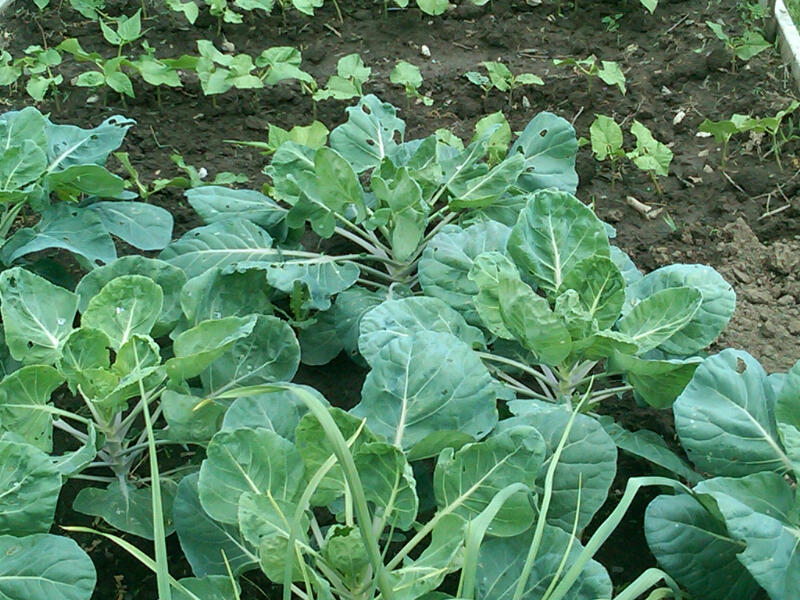
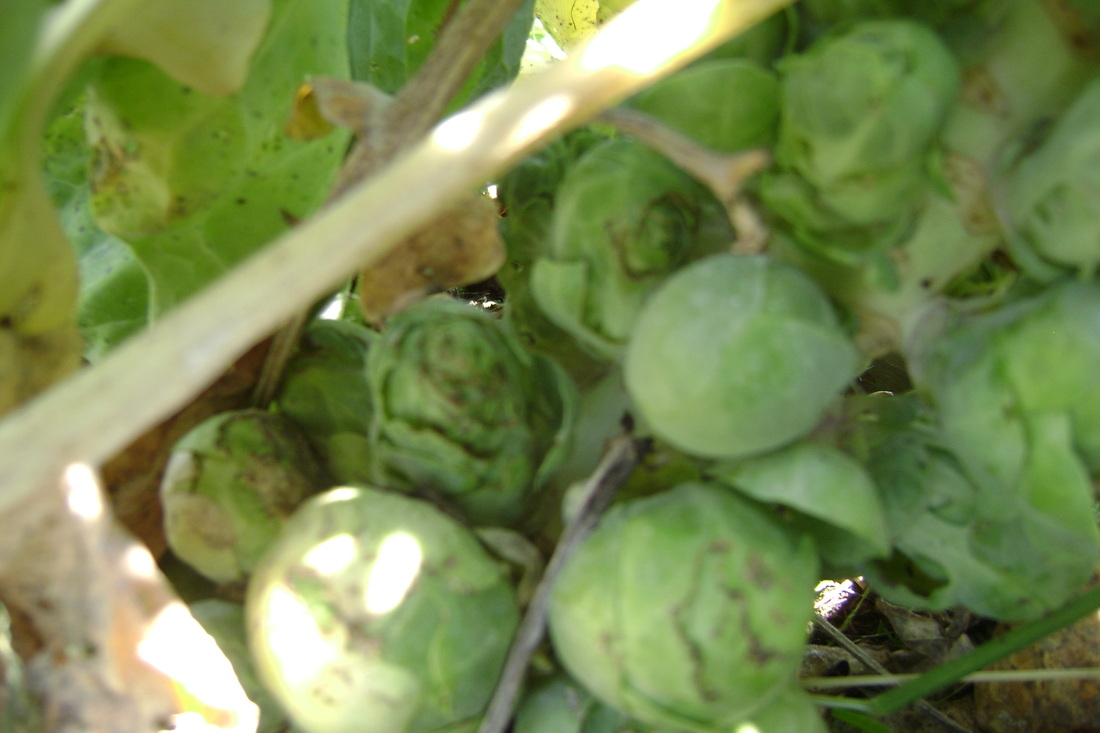
Long Island Improved (Brassica oleracea) 19th Century SSE
Cabbage:
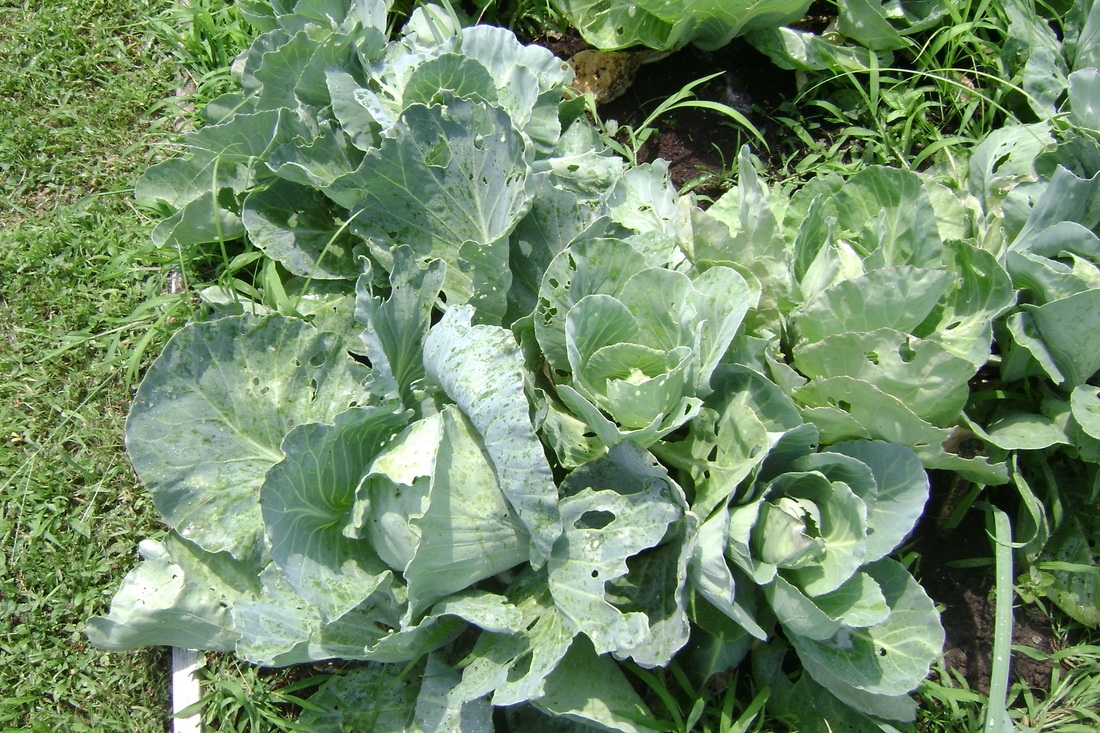
Early Jersey Wakefield (Brassica oleracea capitata cv.) 19th Century. TJ
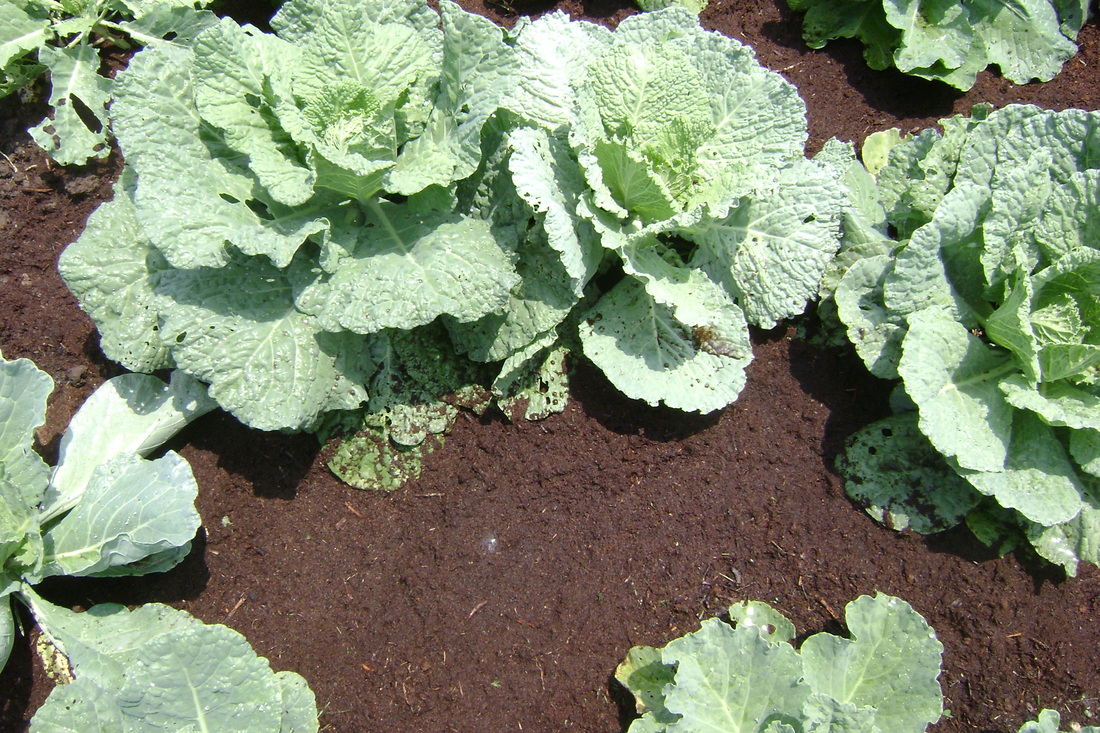
Perfection Drumhead Savoy Before 1820. Dark green with wrinkled leaves. CF
Carrots:
Danvers Half Long (Daucus carota) SSE
Rouge De Chantney Carrorts SSE
Cucumber:
West Indian Gherkin TJ before 1800
Flowers:
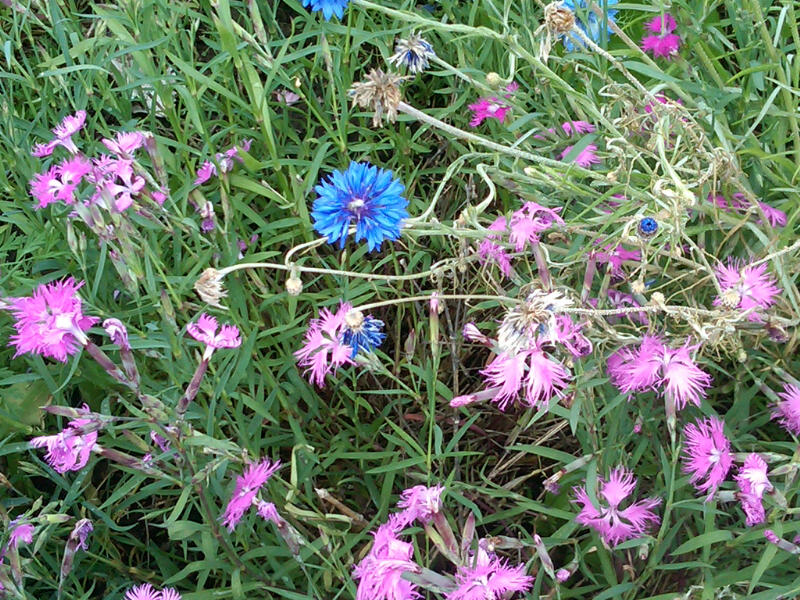
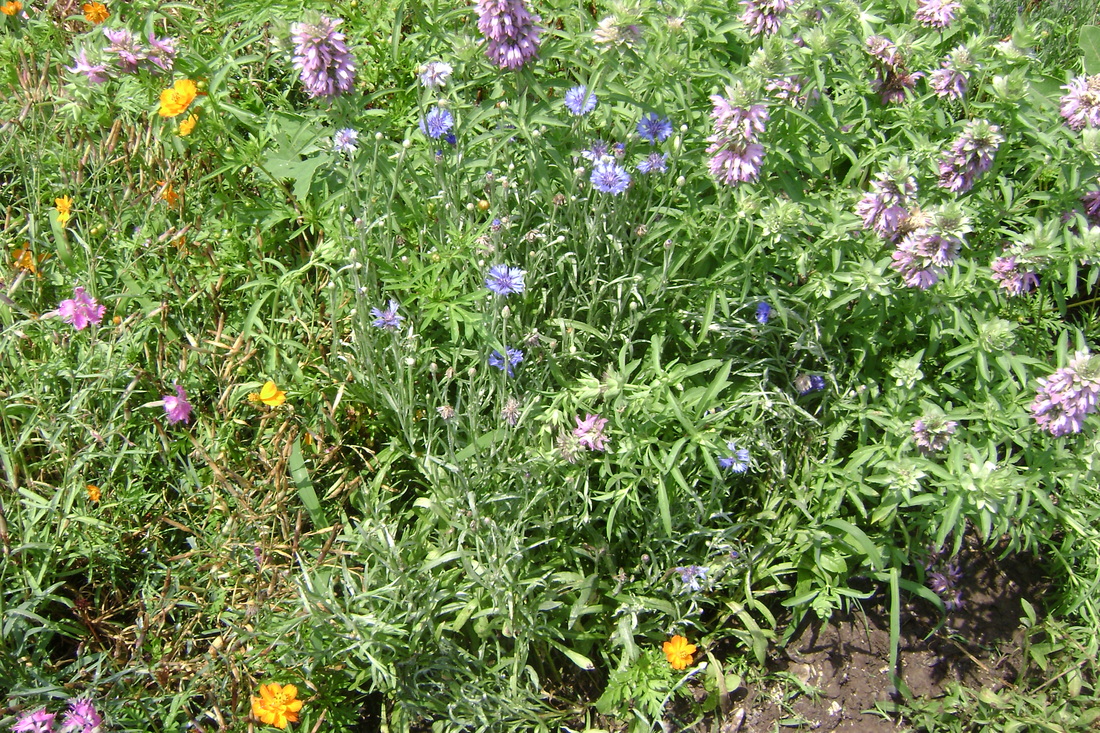
Bachelor Button Blue Boy (Centaurea cyanus)
Butterfly Weed (Asclepias tuberosa) Perennial.
Dame"s Rocket (Aesperis matronalis) "Sweet Rocket" since 1600 TJ
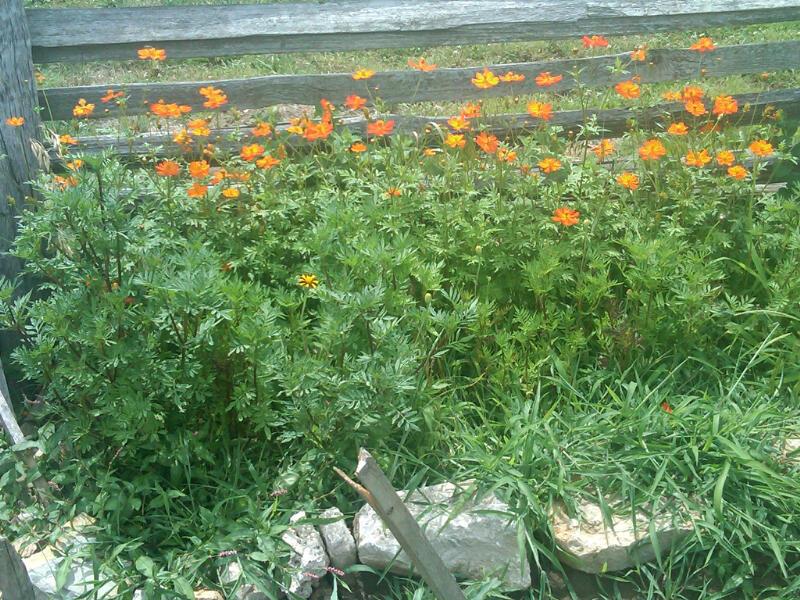
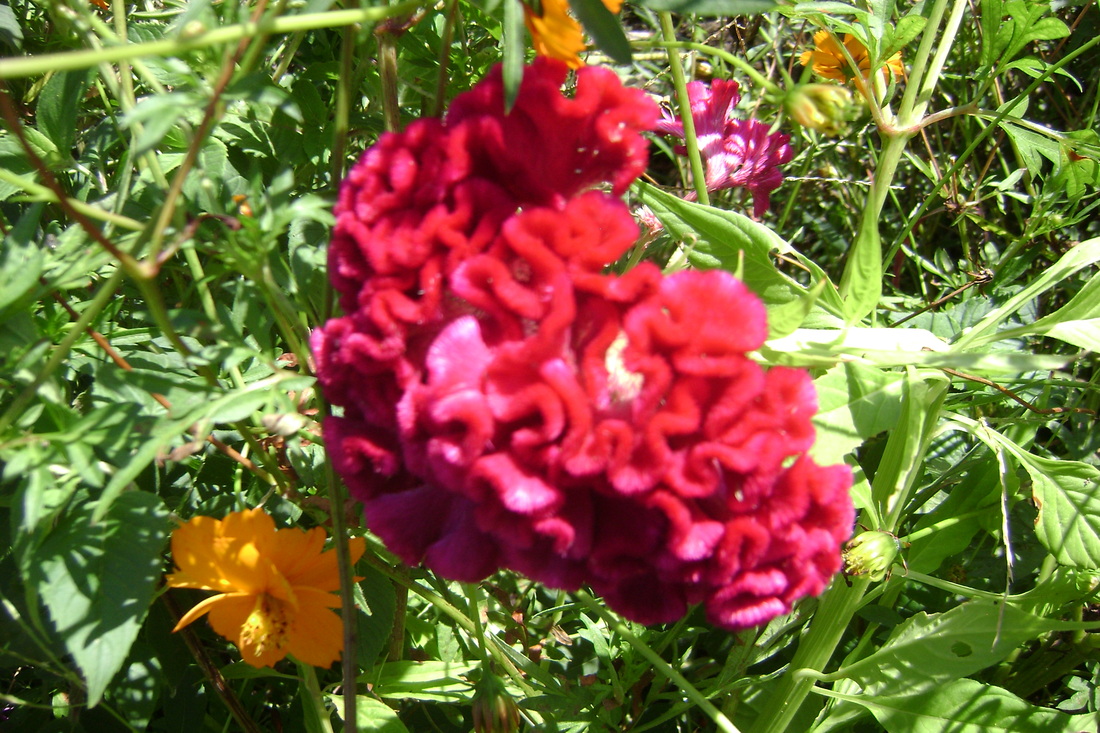
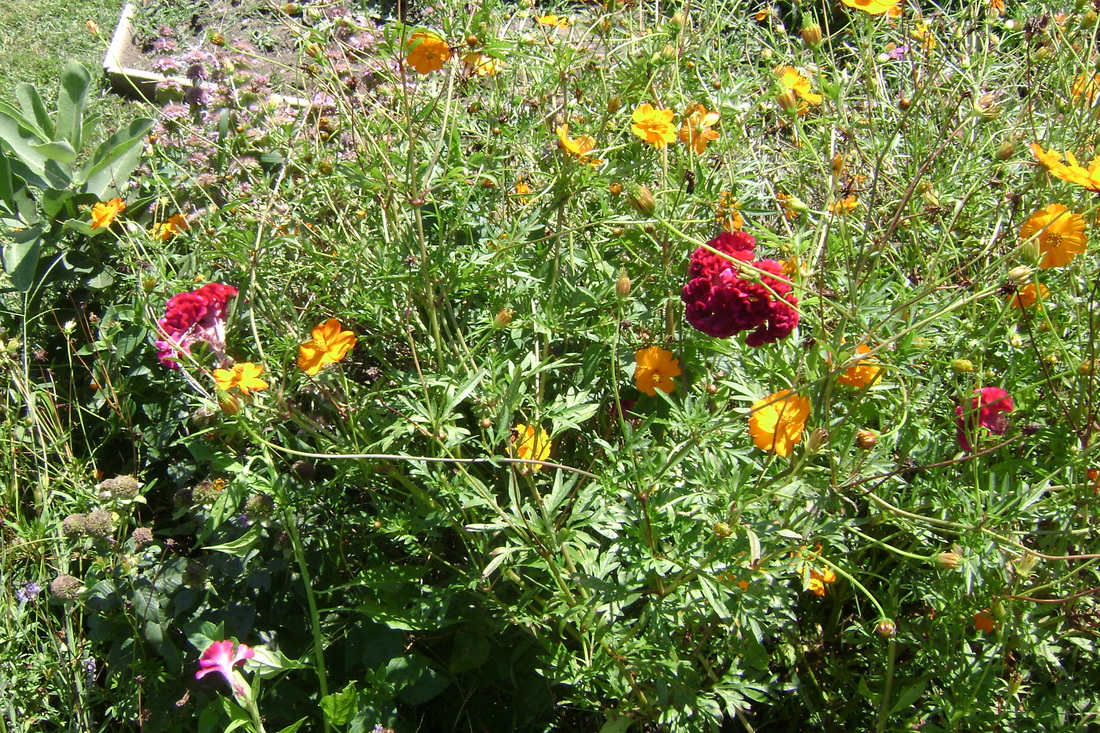
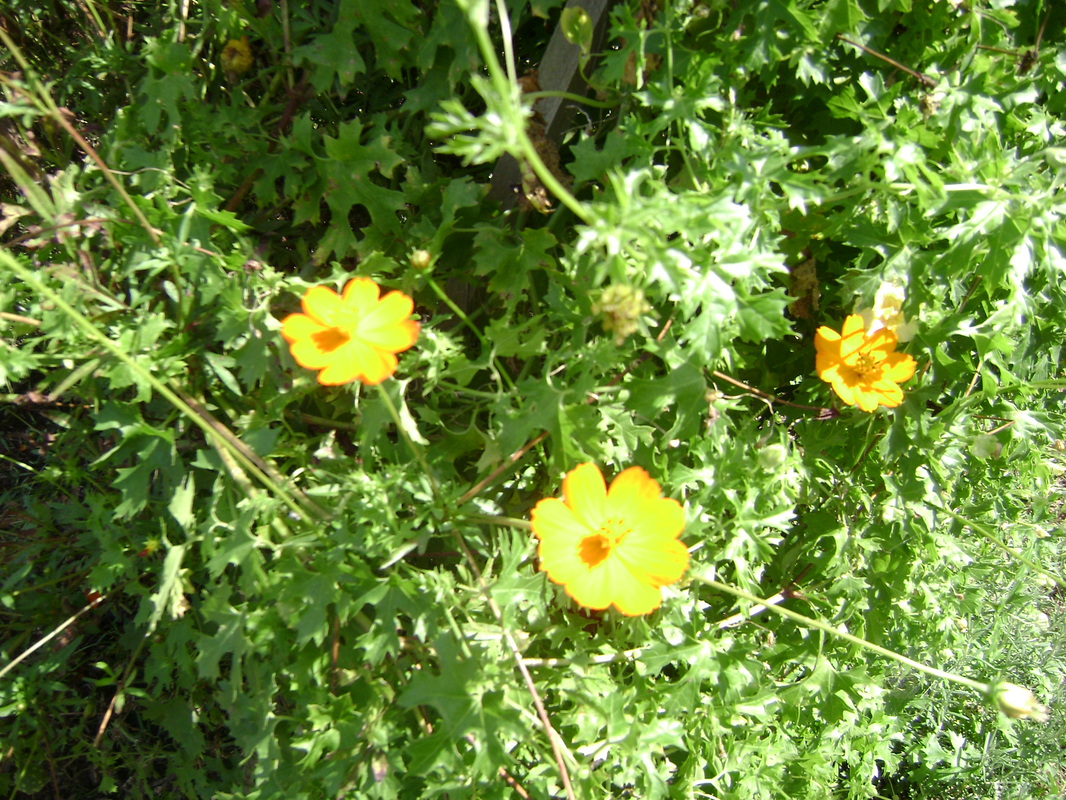
Diablo Cosmos (Cosmos sulphureus) 18th Century, native to Mexico. Sowed in 2010, seed saved. SSE
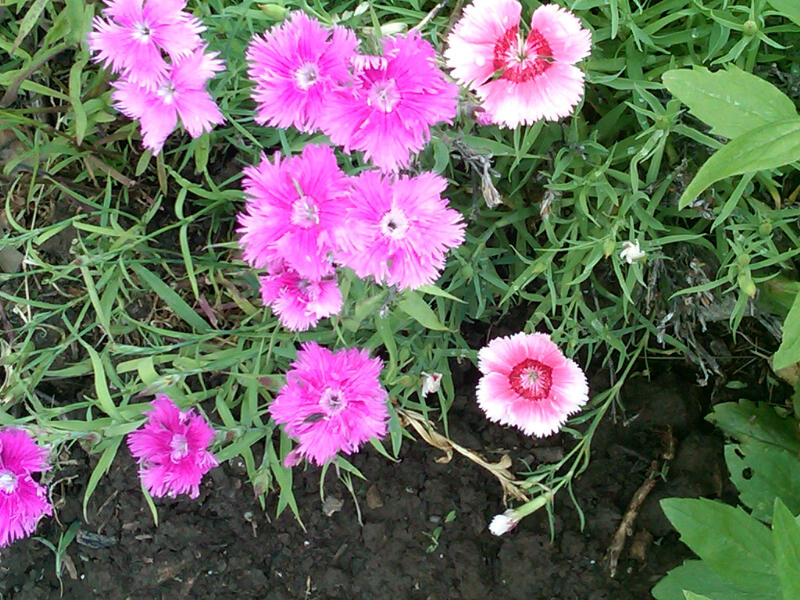
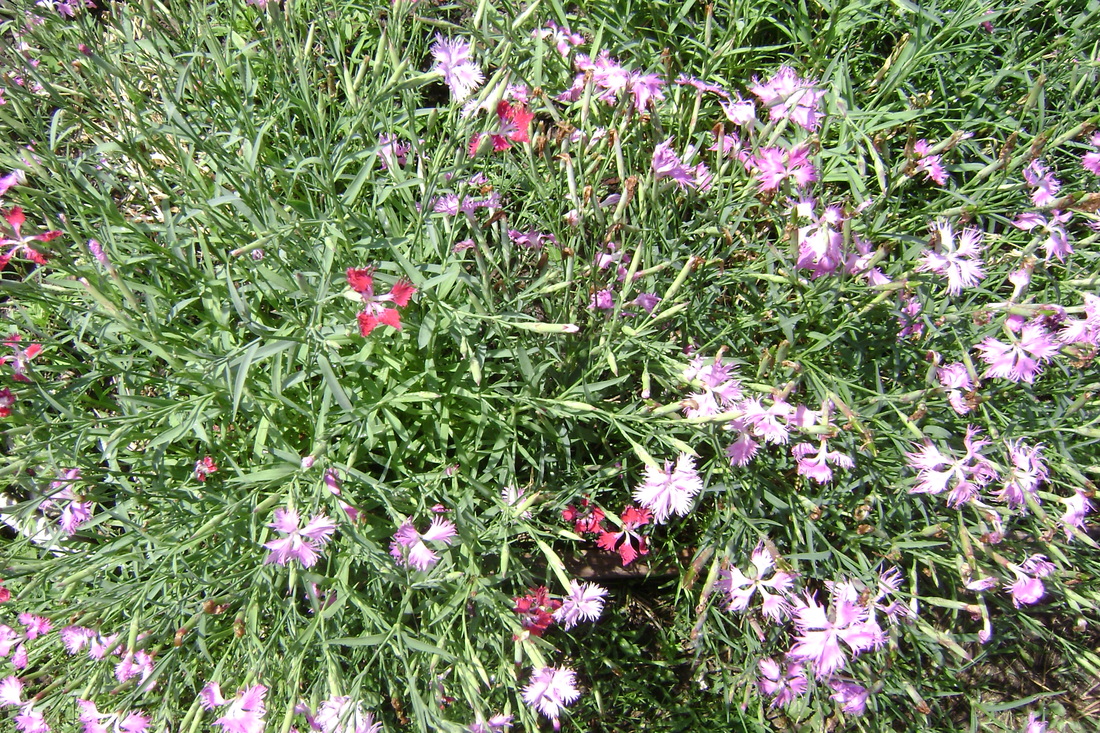
China Pink (Dianthus chimensis) 1807 TJ Sowed 2010, perennial.
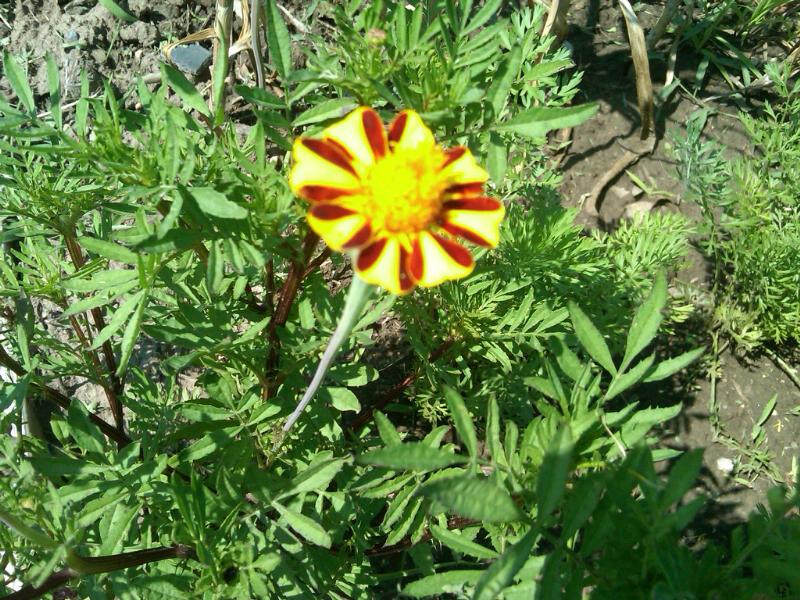
French "striped" Marigold (Tagetes patula) Illustrated in Curtis' Botanical Magazine in 1791. Sowed 2010, saved seed 2011. Perennial. TJ
Fringed Pink (Diathus superbus) 1795 TJ Sowed 2010, perennial.
Josephs Coat (Amarathus tricolor) 1786 TJ
Lavender Munstead
Love in a Mist (Nigella damascena) 1570 English. SSE
Love Lies Bleeding (Amaranthus caudatis)
Lemon Bergamot (Monarda citriodora) 18th Century Native southern US SOC
Nasturtion TJ
Zinnia
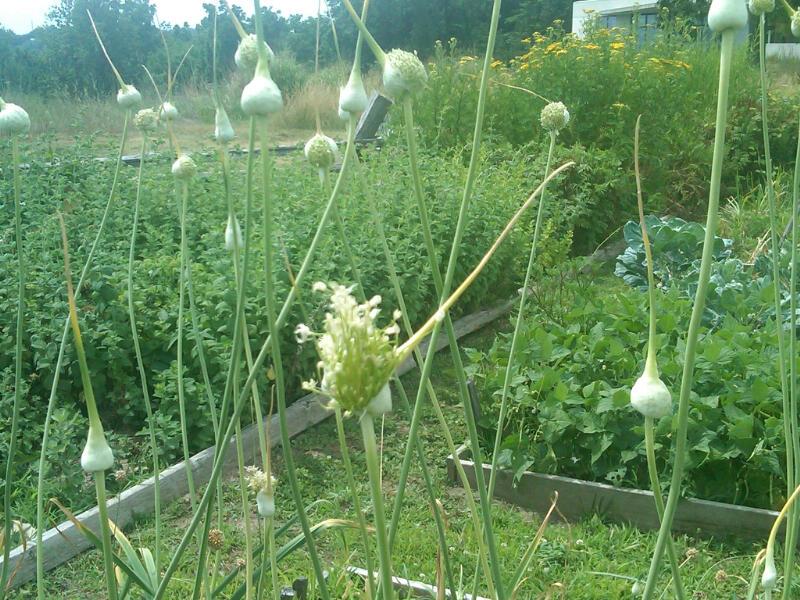
Garlic
Herbs:
Basil 1790 TJ Sowed 2009, Saved Seed.
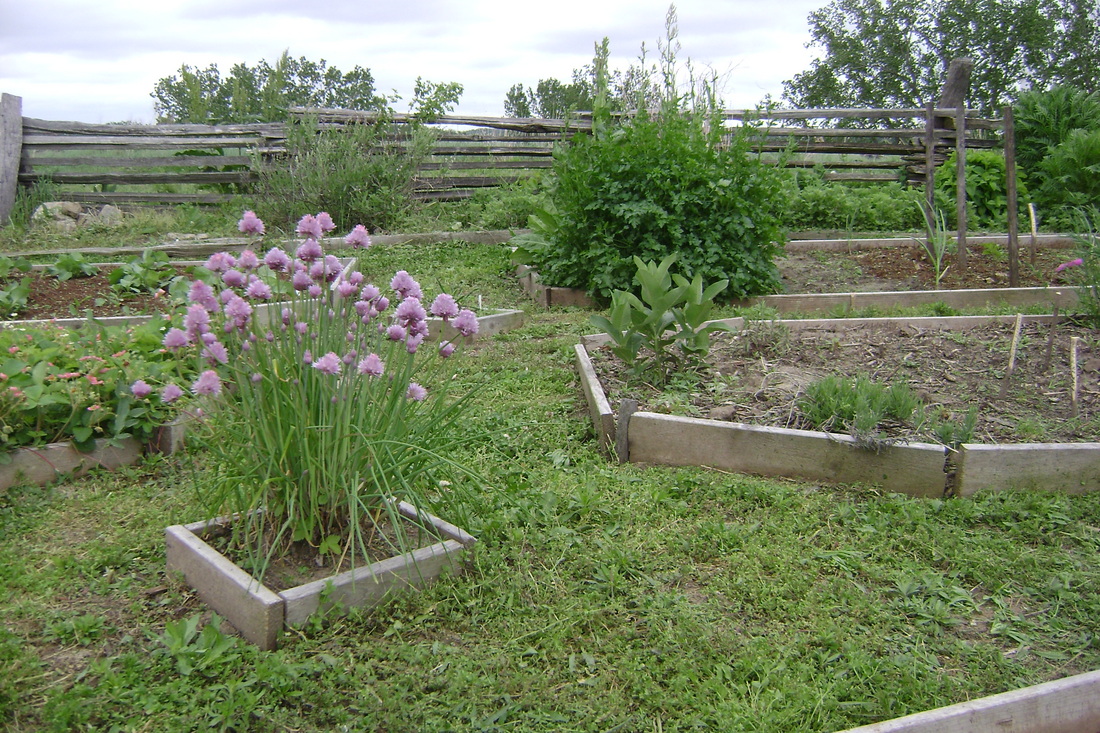
Chives (Allium tuberosum) perennial.
Coneflower (Echinacea purpurea) purple, is native to the central United States, identified during the Lewis and Clark expedition 1804-1806, collected and sent east to Bernard McMahon's nursery in Philadelphia. perennial.
Lavender
Lemon Balm (Melissa officinalis) 1551, 1794 TJ Sowed 2009, perennial.
Sweet Marjoram BC
Plain Leaf Parsley (Petroselinum crispum) "common" 1774 TJ Sowed 2010 & 2011, perennial.
Rosemary
Rue (Ruta graveolens) Medicinal, nervous disorders and cramps. 18th Century. SOC
Sage (Salvia officinalis) 1794 TJ Sowed 2009, perennial.
Summer Savory (Aatureja hortensis) 18th Century
Garden Thyme (Thymus vulgaris) 1794 TJ Sowed 2009, perennial.
Lettuce:
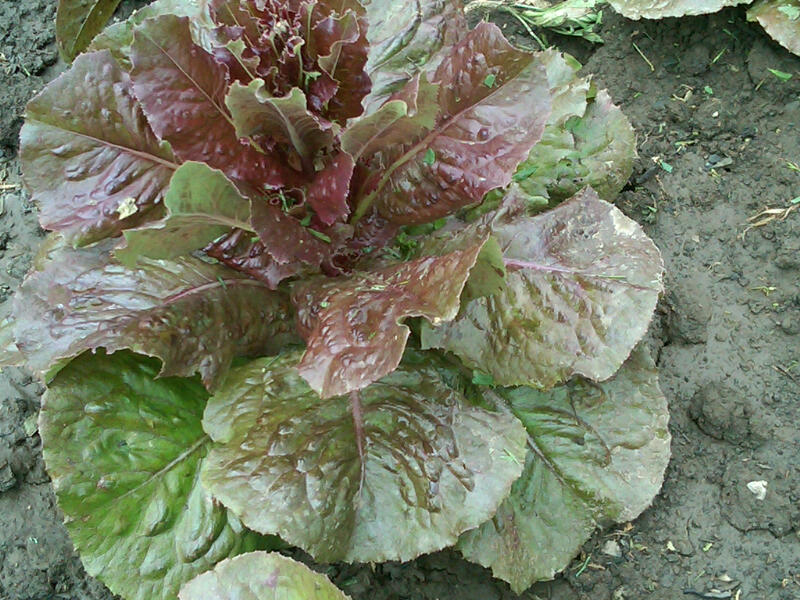
Tennis Ball before 1812, TJ
Brown Dutch Before 1731, 1809 TJ
Okra:
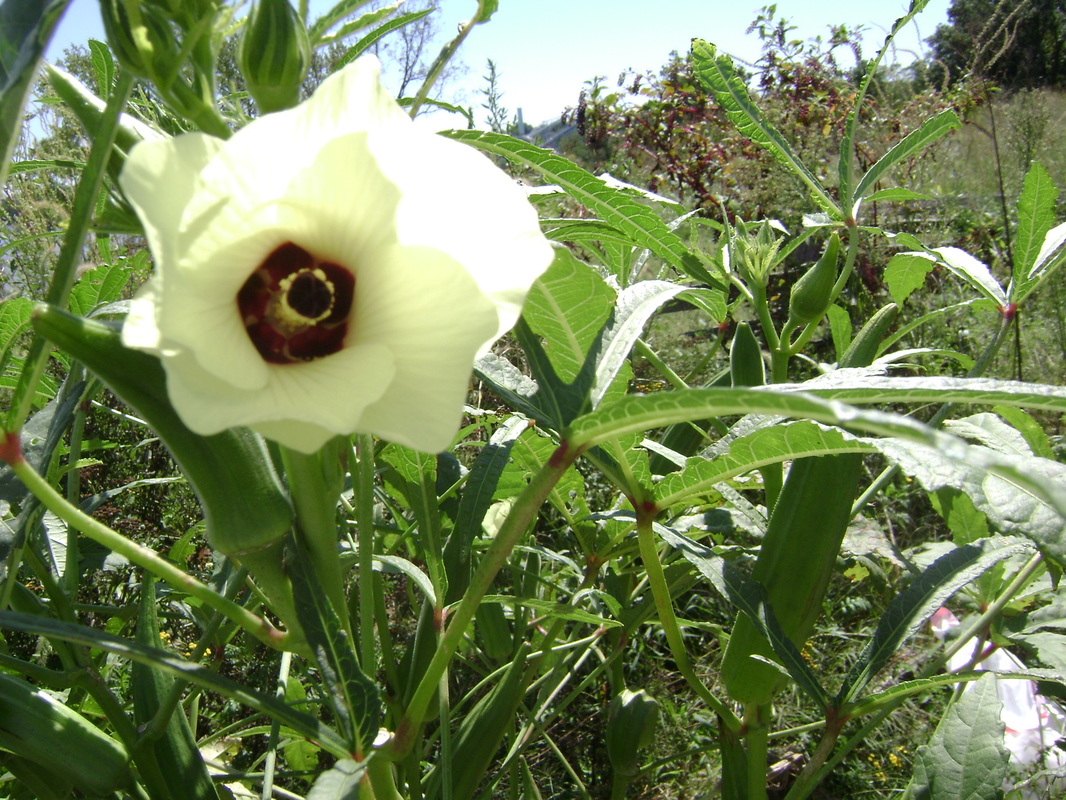
Cow's Horn (Hibiscus esculentus) 18th Century, TJ
Onion:
Red Wethersfield (Allium cepa) Before 1830 SSE
Peas:
Lincoln Peas
Parsnips
Pepper:
Bull Nose Sweet Pepper 1809 Jefferson. Bell type. CF
McMahon's Texas Bird 1812 Seeds sent to Bernard McMahon, who popularized it as a potted Pepper. Spaniards used the peppers ground to a fine pepper, Americans pickled the green pods.
Potatoes:
Yellow Finn Irish
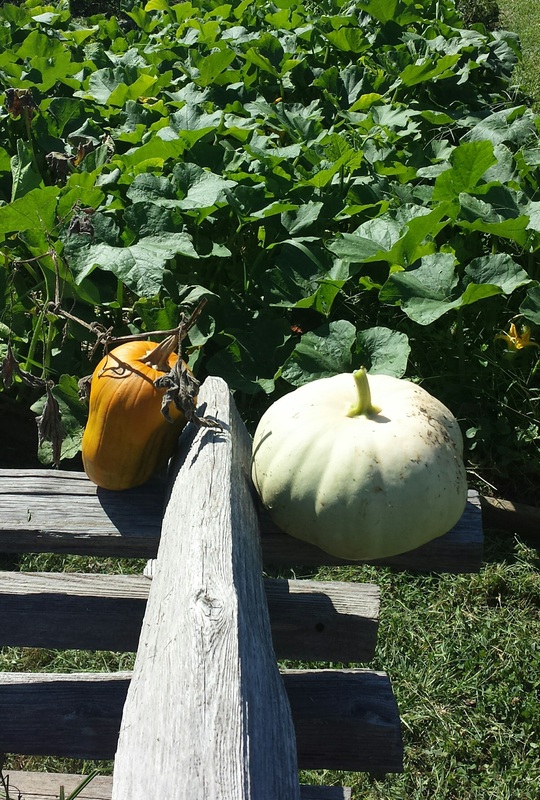
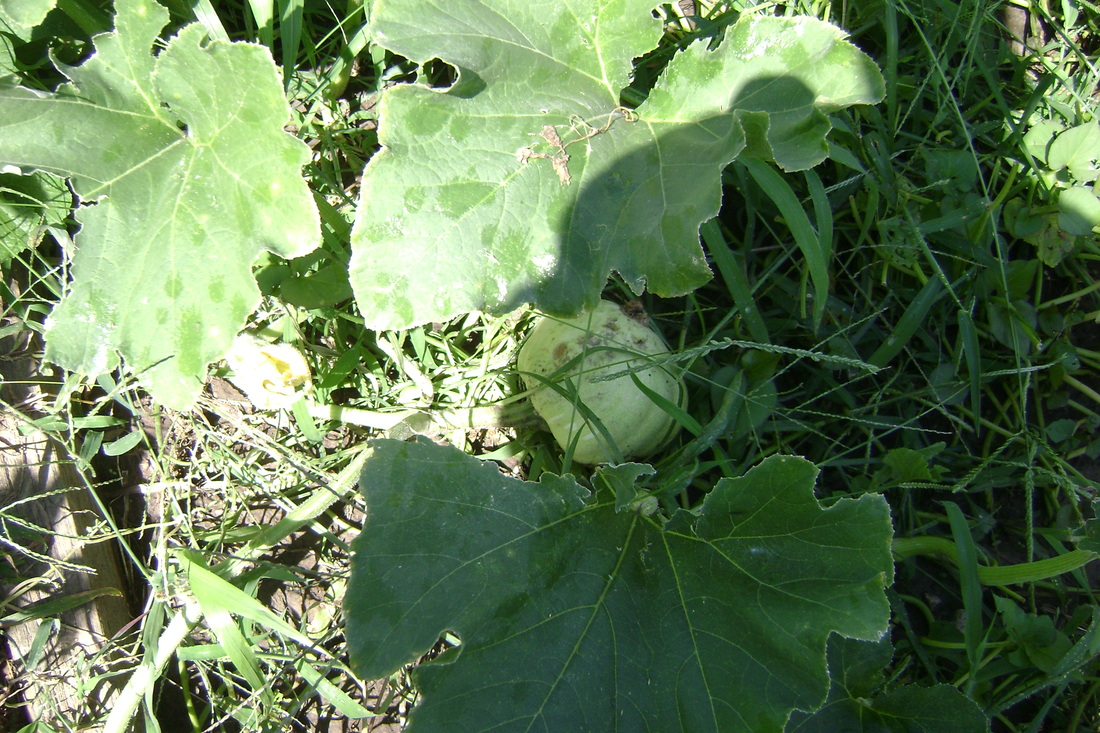
Long Island Cheese Pumpkin
Radish:
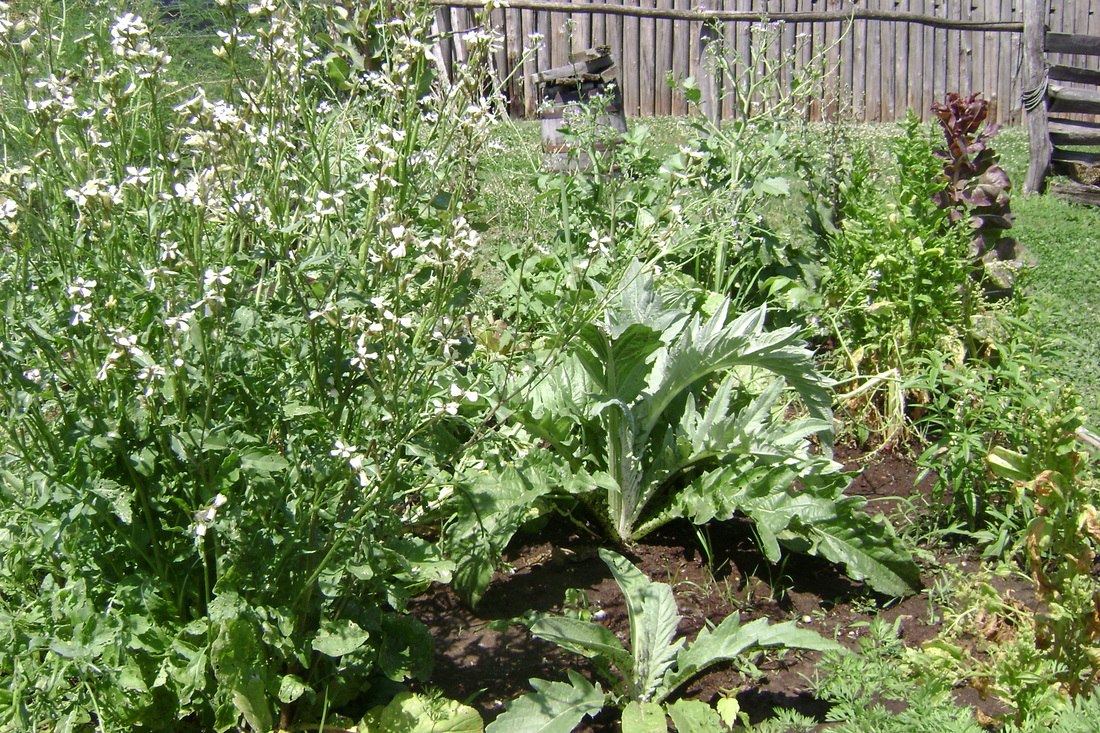
French Breakfast Radish, 1800
Spinach:
Prickly-seeded (Spinacia oleracea) 1809 TJ
Bloomsdale,
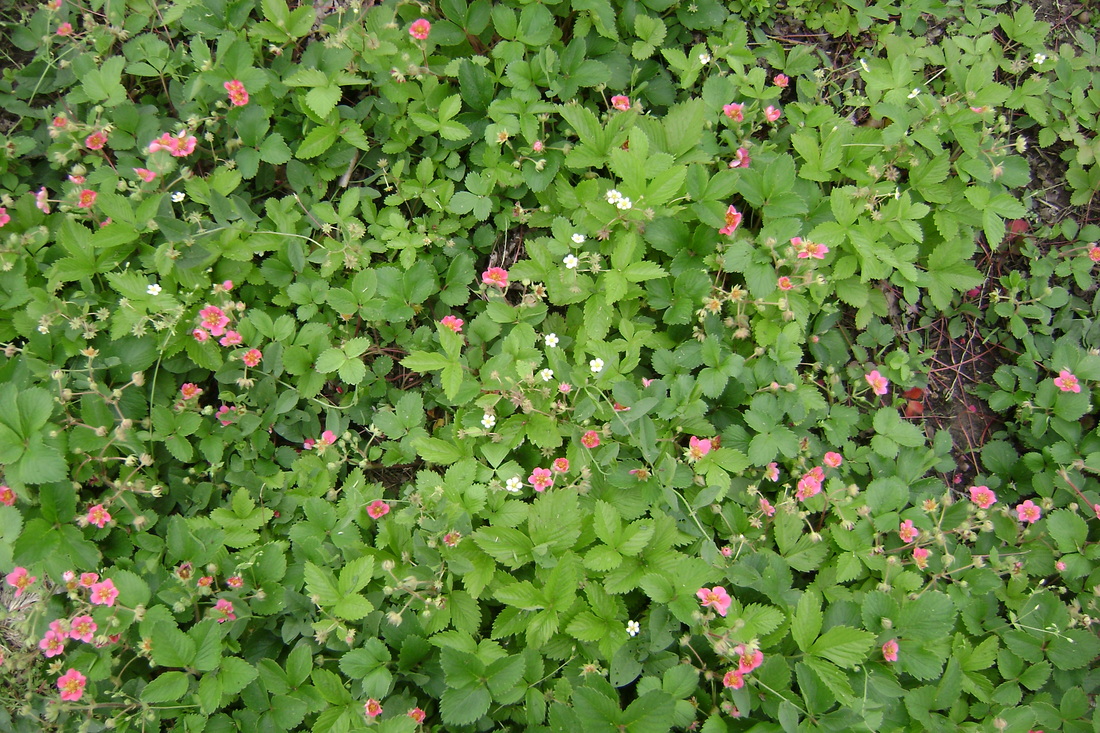
Alpine Strawberry Sowed 2010, produced flowers 2nd year.
Tomato:
Costoluto Genovese 1809 TJ
Brandywine
Seed History Research:
1783 - March 24 "It is recommended to the troops to make regimental gardens for the purpose of raising greens and vegetables for their own use, and, in order to collect a sufficient quantity of seeds, commanding officers of regiments will give passes to as many trusty soldiers as they may judge necessary to go into the country..." General Headquarters, Newburgh, NY.
1807 - February 3
"One Box seed, Spanish Onion, Strasburgh onion, Salmon Radish, London Radish, Dutch Turnip, Stone Turnip, yellow fall Turnip, large fall Turnip, parsnip, orange carrot, long red Beet, York cabbage, Sugar Loaf Cabbage, Drum head cabbage, Savoy Cabbage, cabbage lettuce, Dutch lettuce, Grand Admiral Lettuce, Early Golden hot spur peas, Glory of England peas, Early speckled Dwarf Beans, yellow Beans, Sage, Squash, long squash, Mellon, Cucumber, Sweet Marjorane, Basil, Balm, Asparagus, Mary Gold." Fort Wayne, Indiana